Woobie hoodies look light in the hand, so many buyers wonder why they feel warmer than expected. The answer is not only thick fabric. It is the way the garment combines insulation, quilting, shell fabric, and body heat control.
Woobie hoodies are so warm because they are usually built from the same insulation logic as the military poncho liner, often using a lightweight shell, polyester batting, and quilted construction that traps warm air without adding too much bulk. Their warmth comes from efficient heat retention, not from heavy weight alone.
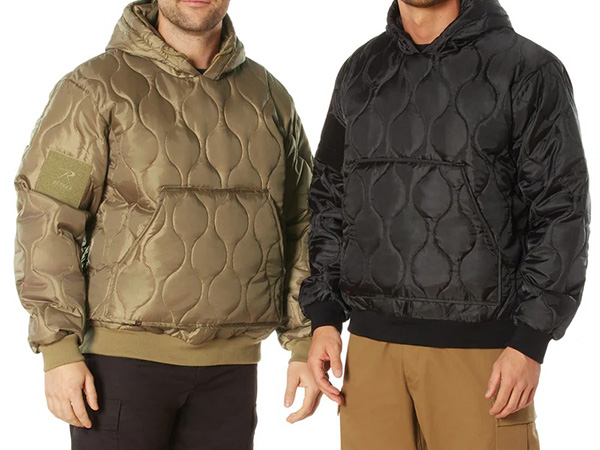
At Fusionknits, we see woobie hoodies as a very specific product type inside the hoodie category. They are not regular fleece hoodies. They are insulated quilted hoodies inspired by the U.S. military poncho liner, often called a “woobie,” which is commonly described as quilted nylon with polyester filling. That construction changes the thermal behavior of the garment completely.
What Is a Woobie Hoodie, and Where Does the Warmth Idea Come From?
A woobie hoodie is not just a hoodie with a military print. The name comes from the military poncho liner, which became known as the “woobie” and built its reputation around light but useful warmth in the field.
A woobie hoodie is a hoodie version of the military-inspired poncho liner concept. The original woobie, officially the wet weather poncho liner, used quilted nylon and polyester filling to create lightweight insulation, and modern woobie hoodies borrow that same warmth-without-heavy-bulk idea.
This matters because the product was never designed around fashion first. It was designed around practical comfort in changing conditions. That military origin explains why the hoodie version often feels warmer than an ordinary sweatshirt even when it does not feel especially thick. The warmth logic comes from insulation structure, not only fabric mass.
What usually defines a woobie hoodie
- Quilted shell construction
- Synthetic insulation inside
- Lightweight warmth focus
- Military poncho liner inspiration
- Easy compressibility compared with heavier outerwear
Why the origin matters
It explains the product logic
Woobie hoodies come from field gear thinking, not only casualwear styling.
It explains the warmth-to-weight ratio
The concept was built to provide useful warmth without becoming too heavy.
| Product idea | Why it matters |
|---|---|
| Poncho liner origin | Built around lightweight insulation |
| Quilted construction | Helps hold insulation in place |
| Synthetic fill | Supports practical warmth |
Is the Main Reason the Polyester Batting Inside?
In many cases, yes. The insulation layer is one of the biggest reasons woobie hoodies feel warm. Many commercial woobie hoodies and military-inspired versions specifically use polyester batting inside the shell.

Yes, one of the main reasons woobie hoodies are warm is the polyester batting inside the garment. That batting creates a low-bulk insulation layer that helps trap body heat, while also staying lighter and quicker-drying than many natural insulation systems when exposed to moisture.
At Fusionknits, this is one of the clearest technical differences between a woobie hoodie and a standard fleece hoodie. Fleece warmth comes from a brushed knit structure. A woobie hoodie usually adds a separate insulating fill layer. That means the garment does not rely only on surface softness. It relies on internal thermal resistance.
Why polyester batting works well
- It traps heat efficiently for its weight
- It stays relatively light
- It dries faster than many absorbent insulation systems
- It supports practical field and outdoor use
Why this matters in hoodie construction
It creates warmth from the inside
The garment does not need extremely thick outer fabric to feel warm.
It keeps the product lighter
That improves packability and all-day wear.
| Construction element | Thermal effect |
|---|---|
| Polyester batting | Holds warm air inside the garment |
| Lightweight shell | Keeps the piece from feeling too heavy |
| Quilting | Helps keep fill distributed evenly |
Does Quilting Make Woobie Hoodies Warmer?
Yes. Quilting is not only decorative. It helps manage insulation and air retention. This is one reason woobie hoodies often feel warmer than their thickness suggests.
Yes, quilting helps make woobie hoodies warmer because it stabilizes the batting and creates insulated sections that help trap warm air close to the body. In practical terms, quilting improves heat retention while keeping the fill from shifting too much during wear and washing.
At Fusionknits, quilting changes the thermal performance of a garment in two important ways. First, it helps hold the fill where it should stay. Second, it creates repeated insulated zones across the body. That pattern helps the garment maintain a more even warmth profile instead of leaving insulation to bunch or collapse in only one area.
Why quilting matters so much
- It holds insulation in place
- It helps reduce fill movement
- It supports even heat retention
- It creates structured air-trapping zones
Why this improves warmth
Air is part of the insulation system
Warmth comes not only from fiber, but also from the air trapped inside the quilted structure. This is an inference based on how quilted insulated garments work and on the described “quilted air pockets” explanation used in military-inspired woobie marketing.
Better distribution means more reliable comfort
The garment feels more consistent across the body. This is an inference supported by the purpose of quilting and the described quilted construction of woobies.
| Quilting role | Why it helps warmth |
|---|---|
| Stabilizes fill | Keeps insulation where needed |
| Creates sections | Supports better heat retention |
| Adds structure | Improves consistent wear comfort |
Does the Nylon Shell Help Hold Heat Too?
Usually yes. Many woobie hoodies use nylon or ripstop nylon shells, and that outer layer can help the garment feel warmer by reducing heat loss and adding light weather resistance. Many commercial woobie hoodies list nylon ripstop outershells with polyester batting.
Yes, the nylon shell usually helps hold heat because it adds a light barrier around the insulation. Nylon shells can reduce wind penetration better than open fleece surfaces and help the insulated fill work more efficiently in cool air. This is partly an inference from the use of nylon ripstop outershells in commercial woobie hoodies and from descriptions emphasizing durability and weather-oriented utility.
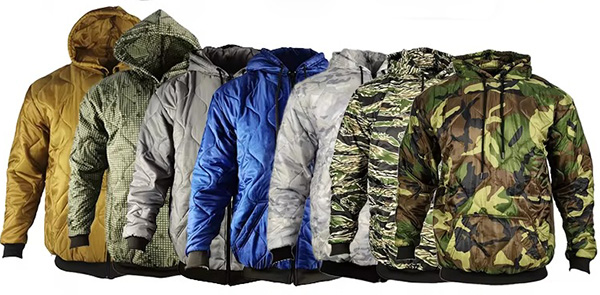
A standard fleece hoodie often feels cozy, but its surface is usually more open to airflow than a quilted nylon shell. A woobie hoodie often feels warmer outdoors because the shell and insulation work together. The shell is not the whole answer, but it supports the insulation instead of exposing it.
Why shell fabric changes thermal feel
- It adds a light protective barrier
- It supports the fill layer
- It can reduce the “airy” feeling of open knits
- It often improves outdoor utility
Why shell support matters in real wear
Outdoor warmth is not only about thickness
A lighter but more closed surface can outperform a thicker open knit in windy conditions. This is an inference based on shell construction and product purpose.
The garment feels more stable in cool air
That helps explain why woobie hoodies often surprise customers with their warmth. This is an inference supported by the shell-plus-batting construction shown in multiple product descriptions.
| Outer material feature | Practical result |
|---|---|
| Nylon shell | Better heat support |
| Ripstop construction | Better durability |
| Quilted shell + fill | More insulated feel |
Why Do Woobie Hoodies Feel Warm Without Feeling Heavy?
This is one of the biggest reasons the category is popular. Customers often expect warmth to come with more bulk, but woobie hoodies often feel warmer than standard hoodies while staying relatively light.
Woobie hoodies feel warm without feeling heavy because they use a lightweight insulated system instead of relying only on thick sweatshirt fabric. The combination of shell, batting, and quilting creates a high warmth-to-weight balance, which is one of the original strengths of the woobie concept.
At Fusionknits, this warmth-to-weight ratio is one of the most commercially important parts of the product. A regular heavyweight hoodie may feel substantial, but it usually gains warmth by adding knit mass. A woobie hoodie often feels efficient instead. It uses insulation strategy rather than only fabric thickness.
Why the warmth-to-weight ratio feels strong
- The fill traps heat efficiently
- The shell does not need to be very thick
- The product avoids bulky sweatshirt stacking
- The garment compresses more easily than heavier outer layers
Why customers notice this quickly
The hoodie feels easier to wear
Less weight often means better comfort across longer hours.
The warmth feels surprising
The hand feel is lighter than the thermal effect. This is an inference supported by the construction details and the common “warmth without the weight” language used across military-inspired woobie products.
| Hoodie type | How warmth is created |
|---|---|
| Standard fleece hoodie | Fabric thickness and brushed knit |
| Woobie hoodie | Shell + batting + quilting |
Are Woobie Hoodies Warm Even When Damp or in Mixed Weather?
They are often chosen for that reason. The original woobie concept and many modern versions rely on synthetic fill, which is valued because it remains practical in variable conditions better than many absorbent alternatives.

Woobie hoodies are often warm even in damp or mixed weather because synthetic polyester batting continues to provide practical insulation and tends to dry faster than many natural insulation options. That makes the garment especially useful in changeable outdoor conditions and travel use.
This does not mean every woobie hoodie is a rain jacket. It means the insulation logic is more forgiving when moisture becomes part of the environment. That is one reason military-inspired insulation systems remain popular in gear and outdoor casualwear.
Why synthetic fill helps in mixed conditions
- Faster drying support
- Less dependence on staying perfectly dry
- Practical field and travel usefulness
- More stable thermal value than many non-synthetic fills when damp
Why this matters for real users
The hoodie is more versatile
It can move across outdoor, camp, and casual use more easily.
It fits utility-focused markets
Military-inspired clothing often sells well when it solves real weather problems. This is an inference based on product positioning and described features.
| Condition | Why woobie construction helps |
|---|---|
| Cool dry weather | Insulation traps heat |
| Damp mixed weather | Synthetic fill stays practical |
| Travel/outdoor use | Light warmth and packability help |
Do Design Details Like Hood, Cuffs, and Hem Make a Difference?
Yes. The insulation system does most of the thermal work, but design details help keep that warmth around the body instead of letting it escape. Many commercial woobie hoodies emphasize adjustable hoods, elastic cuffs, and hems for this reason.
Yes, design details such as the hood, cuffs, waistband, and pocket construction make a real difference because they help reduce heat loss and improve overall thermal retention. A better-insulated body can still feel colder if openings let too much warm air escape.
At Fusionknits, this is a standard insulated-garment principle. Warmth is not only about the body fabric. It is also about how well the garment manages openings. A hood adds head and neck protection. Elastic cuffs help reduce drafts. A better hem finish can keep warm air closer to the torso.
Design details that support warmth
- Hood shape and depth
- Adjustable drawcords
- Elastic or rib cuffs
- Secure hem finish
- Hand pockets
Why these details matter
They reduce draft entry
This helps the insulation work more efficiently. This is an inference based on the described cuff and hood features in woobie hoodie products.
They improve practical warmth
The hoodie feels warmer in motion and in changing outdoor air. This is an inference supported by garment design principles and the feature descriptions.
| Detail | Warmth effect |
|---|---|
| Hood | Adds coverage and heat retention |
| Elastic cuffs | Reduces draft loss |
| Hem control | Helps hold warm air in |
| Kangaroo pocket | Supports hand warmth |
Are All Woobie Hoodies Equally Warm?
No. “Woobie hoodie” is a category name, not one universal factory standard. Warmth changes with insulation weight, shell fabric, fit, quilting pattern, and how the garment is intended to be used.
No, all woobie hoodies are not equally warm. Their warmth depends on factors such as insulation weight, shell material, fit, quilting density, lining choices, and whether the garment is built for mild layering or colder outdoor use. This is an inference drawn from the fact that commercial versions use different materials and constructions, including specific batting weights in some products and generic ripstop-plus-batting builds in others.
Some are built as lighter camp or travel layers. Some are built more like insulated casual outerwear. Some emphasize mobility. Others emphasize warmth. That is why buyers should not evaluate woobie hoodies only by the name. They should look at material specs and construction details.
What changes warmth level between products
- Batting weight
- Shell density
- Garment fit
- Quilting layout
- Hood size
- Cuff and hem sealing
- Intended layering role
What buyers should check
Insulation spec
Some brands state the batting weight directly.
Shell and fill composition
Many versions list nylon shell with polyester batting.
Use category
A light midlayer will not perform exactly like a colder-weather insulated hoodie. This is an inference from the variation in listed product descriptions.
| Variable | Why it changes warmth |
|---|---|
| More batting | Usually more insulation |
| Better closure points | Less heat escape |
| Looser fit | Can help layering but may change thermal feel |
| Lighter build | Better mobility, sometimes less warmth |
What Should Brands Learn from the Warmth of Woobie Hoodies?
The product teaches an important lesson: customers do not always want the thickest garment. Often they want the most efficient one. The success of the woobie concept comes from combining utility, light weight, and believable warmth.
Brands should learn that warmth can be built through smart construction, not only through heavy fabric. Woobie hoodies show that shell fabric, synthetic insulation, quilting, and well-managed openings can create a strong warmth-to-weight product that feels practical, wearable, and commercially distinctive. This conclusion is an inference based on the documented military poncho liner construction and modern woobie hoodie specifications.
At Fusionknits, this is why insulated comfortwear categories continue to matter. A strong product is not only warm. It is also wearable, compressible, practical in mixed use, and easy to understand. Woobie hoodies do well because they turn technical function into a familiar casual silhouette.
Conclusion
Woobie hoodies are so warm because they combine several thermal advantages at once: a lightweight shell, usually nylon or ripstop nylon; a synthetic insulating layer, often polyester batting; and quilted construction that helps trap warm air while keeping the fill stable. Many versions also add warmth-supporting details such as hoods, elastic cuffs, and better hem control. That construction comes directly from the military poncho liner concept, which built its reputation around useful warmth without excessive bulk.
At Fusionknits, the key lesson is that woobie hoodies feel warm not because they are massively thick, but because they are intelligently built. Their warmth comes from insulation efficiency, not only fabric heaviness.
That is what gives them such a strong warmth-to-weight balance and why they often feel warmer than standard hoodies in cool, variable conditions. For brands and buyers, that makes the woobie hoodie a very clear example of how product construction can create real thermal value in a casual silhouette.