Choosing fabric for shorts looks simple at first, but the wrong material can ruin comfort, fit, and product value. A short may look good on a hanger, yet feel heavy in summer, lose shape after washing, or fail during movement. That is why fabric selection matters far more than many buyers expect.
At Fusionknits, we see shorts fabric as the foundation of the whole product. The best shorts fabrics usually include cotton, polyester, nylon, spandex blends, linen, and specialty knits or wovens, but the right choice depends on the purpose of the short, the target customer, and the performance level the brand wants to deliver.
As a professional clothing manufacturer, we never choose shorts fabric by trend alone. We look at hand feel, weight, breathability, stretch, recovery, durability, drape, and cost. A running short and a lounge short should not use the same fabric logic. The same is true for beach shorts, cargo shorts, and tailored shorts. Fabric determines not only comfort, but also fit stability, sewing method, and long-term wear performance.
Why does fabric matter so much in shorts?
Shorts cover less of the body than full-length bottoms, so every fabric weakness becomes easier to notice. If the material is too stiff, the short may feel bulky. If it is too thin, it may look cheap or become transparent. If it traps heat, the wearer will feel uncomfortable very quickly, especially in warm climates.
At Fusionknits, we believe fabric matters more in shorts than many buyers realize because shorts rely heavily on airflow, movement, and surface feel. A fabric that works in pants may still fail badly in shorts if it does not suit hot-weather use or repeated motion.
The fabric also changes how the short looks. A structured woven short creates a cleaner silhouette. A soft knit short gives a more relaxed mood. A technical synthetic fabric makes the garment feel performance-driven. So when buyers ask what type of fabric is used for shorts, the better answer is that different shorts require different material systems based on use.
What fabric controls in shorts
- Breathability
- Weight
- Stretch
- Moisture handling
- Drape
- Durability
- Visual quality
Why brands should care early
Fabric changes the whole product direction
A simple pattern can become sporty, casual, premium, or technical depending on the fabric.
Fabric also changes production cost
Material choice affects marker efficiency, trim choice, sewing difficulty, and retail positioning.
| Fabric factor | Impact on shorts |
|---|---|
| Weight | Changes comfort and structure |
| Stretch | Changes mobility and fit |
| Surface feel | Changes customer perception |
| Durability | Changes repeat-wear performance |
Is cotton the most common fabric used for shorts?
Yes, cotton is still one of the most common fabrics used for shorts, especially in casualwear and lifestyle categories. It is popular because it feels natural, soft, and breathable. Cotton shorts are easy for consumers to understand, and they fit many everyday settings.

At Fusionknits, we use cotton widely in shorts because it offers strong commercial value. It is familiar to the customer, comfortable in regular wear, easy to print or dye, and flexible across many product categories such as chino shorts, lounge shorts, jersey shorts, and kidswear shorts.
But cotton is not perfect. Pure cotton can absorb moisture and stay wet longer than performance fabrics. It can also wrinkle, shrink, or lose crispness depending on the weave and finish. That is why high-quality shorts often use cotton in different constructions or blends rather than relying on basic untreated cotton alone.
Common cotton-based shorts fabrics
- Cotton twill
- Cotton poplin
- Cotton jersey
- Cotton French terry
- Cotton canvas
- Cotton sateen
Why cotton stays popular
It feels comfortable and familiar
Consumers often trust cotton because of its natural hand feel.
It works across multiple price levels
Cotton can support basic, mid-range, or premium shorts depending on fiber quality and finishing.
| Cotton fabric type | Common use |
|---|---|
| Twill | Chino and casual shorts |
| Jersey | Lounge and knit shorts |
| Canvas | Utility and work-inspired shorts |
| Poplin | Lightweight summer shorts |
When are polyester fabrics used for shorts?
Polyester is widely used when the short needs durability, quick drying, shape retention, or athletic function. It is especially common in training shorts, running shorts, teamwear, swim-inspired casual shorts, and travel-friendly products. Compared with cotton, polyester usually handles moisture better and dries faster.
At Fusionknits, we often choose polyester for shorts that need performance value. It works especially well when the garment must stay light, resist wrinkling, and maintain color and shape after repeated washing and active use.
Polyester also supports many fabric constructions. It can be woven for clean athletic shells or knitted for smoother sport-lifestyle bottoms. However, the quality level matters a lot. Cheap polyester can feel harsh or plastic-like. Good polyester with the right finishing can feel smooth, light, and highly wearable.
Why brands use polyester in shorts
- Faster drying
- Better color retention
- Strong abrasion resistance
- Lower wrinkle risk
- Lighter performance feel
Where polyester works best
It performs well in sports categories
Running and training shorts usually benefit from polyester-based structures.
It also supports easy-care products
Travel and casual activewear lines often prefer polyester for convenience.
| Polyester benefit | Why it matters |
|---|---|
| Quick drying | Better for activity and warm climates |
| Shape retention | Keeps cleaner silhouette |
| Durability | Supports repeated wear |
| Easy care | Better for practical daily use |
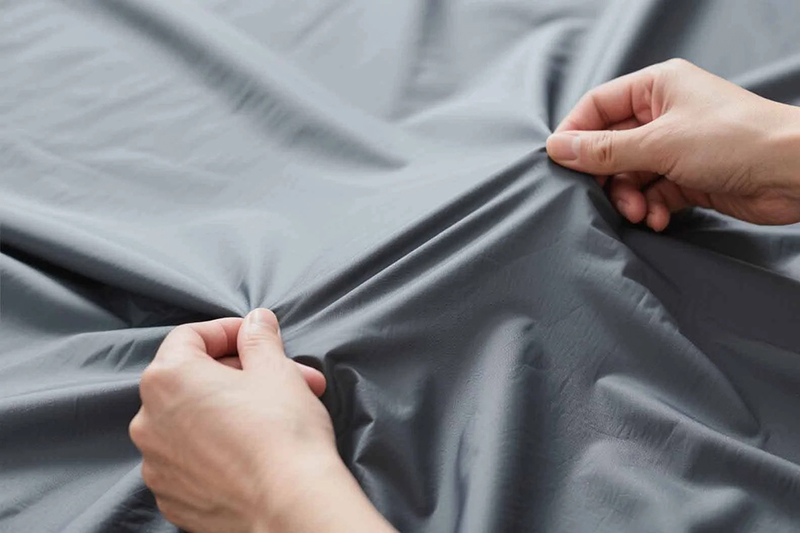
Nylon is another important fabric for shorts, especially in premium technical categories. It usually feels smoother and stronger than basic polyester, and many buyers associate it with a more elevated performance hand feel. Nylon is common in running shorts, utility shorts, hiking shorts, and high-end activewear bottoms.
At Fusionknits, we use nylon fabrics when we want shorts to feel cleaner, lighter, and more technical. Nylon often brings a more refined surface, good abrasion resistance, and a premium performance image that works well in active and outdoor products.
Nylon also blends well with spandex, which makes it useful in movement-heavy shorts. But like all fibers, nylon must be matched to category. A heavy nylon fabric may feel too technical for relaxed summer casualwear. A very light nylon may need lining or support in certain short constructions.
- Smooth hand feel
- Strong fiber strength
- Good abrasion resistance
- Lightweight technical identity
- Strong performance image
Best uses for nylon shorts
It works in outdoor and active categories
The fiber supports movement, durability, and low-bulk comfort.
Many modern technical brands use nylon-rich shorts for a cleaner upscale look.
| Nylon short type | Typical market |
|---|---|
| Hiking short | Outdoor |
| Running short | Performance |
| Utility short | Technical casual |
| Stretch training short | Premium activewear |
What role does spandex or elastane play in shorts fabric?
Spandex, also called elastane, is rarely used alone. Instead, it is blended into cotton, polyester, or nylon fabrics to add stretch and flexibility. Even a small amount can change how the short moves and feels on the body. This is especially useful in athletic shorts, fitted casual shorts, and women’s shorts where movement comfort is critical.
At Fusionknits, we treat spandex as a support fiber rather than a main fiber. Its job is to improve mobility, fit recovery, and wear comfort, especially in shorts that need to bend, squat, run, or sit without strain.
This is why many modern shorts use stretch twill, stretch woven performance fabric, or knit blends with 3% to 10% elastane. The amount depends on the category. Too little stretch may make the short restrictive. Too much may reduce structure or create instability.
What spandex improves
- Ease of movement
- Recovery after stretching
- Fit comfort at thigh and seat
- Waist comfort in fitted styles
- Better activewear performance
Why controlled stretch matters
Shorts move constantly
Walking, sitting, and training all place pressure on the garment.
Good recovery protects the silhouette
The short should return to shape instead of bagging out.
| Blend example | Result |
|---|---|
| Cotton + spandex | Casual comfort with stretch |
| Nylon + spandex | Premium technical mobility |
| Polyester + spandex | Sport performance and recovery |
Are linen and linen blends good for shorts?
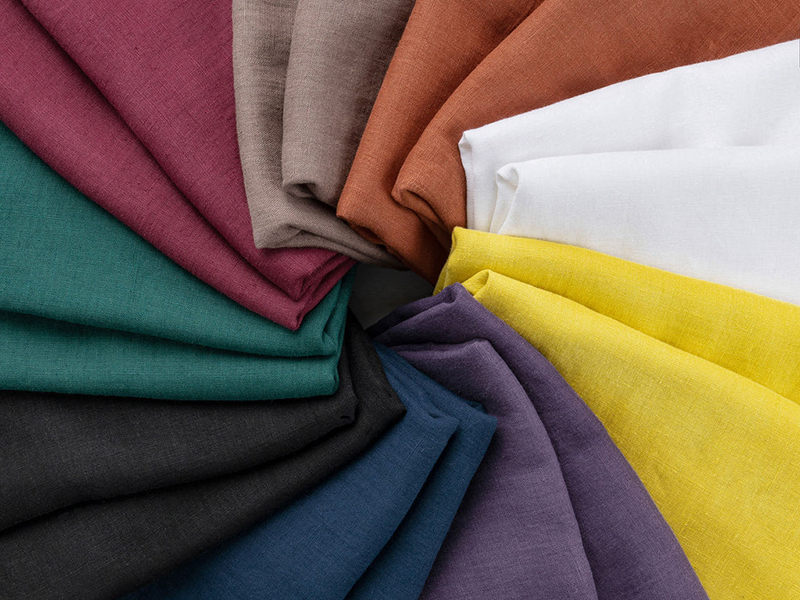
Yes, linen and linen blends are very good for shorts, especially in warm-weather, resort, and summer lifestyle categories. Linen is valued for its natural breathability, airy drape, and premium warm-climate identity. It feels cooler than many other fabrics, which makes it attractive for hot regions and vacation styling.

At Fusionknits, we recommend linen or linen-blend fabrics when the brand wants shorts to feel breathable, seasonal, and visually relaxed. Linen works especially well in summer collections where the goal is comfort, air flow, and a slightly elevated natural look.
However, linen also wrinkles easily and can feel less stable than cotton or technical synthetics. That is why blends are often a smart choice. Linen-cotton or linen-viscose blends can improve softness, control wrinkling, and support easier garment development.
Why linen works in shorts
- Excellent airflow
- Natural summer image
- Premium relaxed drape
- Lightweight comfort
- Strong resortwear appeal
Why linen blends are often better commercially
They improve handling and wearability
Pure linen can wrinkle heavily and feel too dry for some customers.
They support wider market acceptance
A blend often makes the product easier to care for and easier to fit.
| Linen fabric type | Typical result |
|---|---|
| 100% linen | Airy and premium but wrinkle-prone |
| Linen-cotton blend | More stable and softer |
| Linen-viscose blend | Better drape and softer hand |
What fabric constructions are most common in shorts?
Fiber alone is not enough. Construction matters just as much. Shorts can be made from woven fabrics or knit fabrics, and that decision changes the whole product character. Wovens usually create more structure and cleaner lines. Knits usually create more softness and stretch comfort.
At Fusionknits, we divide shorts fabrics into two major groups: woven fabrics for structure and cleaner shape, and knit fabrics for softness and comfort-led wear. The final choice depends on what the short is supposed to do in real life.
Woven shorts include twill, poplin, ripstop, microfiber, and stretch woven fabrics. Knit shorts include jersey, interlock, French terry, and pique. Some categories almost always lean one way. Chino shorts are usually woven. Lounge shorts are usually knit. But hybrid categories exist, especially in modern activewear.
Common woven constructions
- Twill
- Poplin
- Ripstop
- Plain weave
- Microfiber shell
Common knit constructions
- Jersey
- French terry
- Interlock
- Pique
- Double knit
Why construction matters
It changes silhouette
The same fiber in a woven or knit form can create a very different product.
It changes sewing and finishing
Construction affects seam behavior, hem stability, and fit control.
| Construction | Best for |
|---|---|
| Woven | Structured casual or technical shorts |
| Knit | Lounge or sport-casual shorts |
| Stretch woven | Active and travel shorts |
| French terry knit | Soft relaxed shorts |
How do brands choose fabric based on the type of shorts?
The fabric choice should always match the product purpose. This is where many weak developments fail. A buyer may choose fabric based only on trend images, but the garment must still function for the real customer. Fabric should be selected from category logic first.
At Fusionknits, we start every shorts program by asking one question: what should this short do for the wearer? Once that answer is clear, the right fabric family becomes much easier to select.
For example, running shorts usually need lightweight polyester or nylon shells. Lounge shorts usually need cotton jersey or French terry. Chino shorts usually need cotton twill or stretch twill. Beach and resort shorts may need linen blends or quick-dry synthetics. Utility shorts often need durable woven cotton or nylon blends.
Fabric by shorts category
- Running shorts: polyester or nylon technical shells
- Training shorts: polyester-spandex or nylon-spandex
- Lounge shorts: cotton jersey or French terry
- Chino shorts: cotton twill or stretch twill
- Resort shorts: linen blends or lightweight cotton
- Utility shorts: canvas, twill, ripstop, or nylon blends
Why category-first development works
It protects end-use performance
The short performs better in the setting where it will actually be worn.
It improves customer satisfaction
The product feels right because the material fits the purpose.
| Shorts category | Recommended fabric direction |
|---|---|
| Running | Lightweight technical synthetic |
| Casual chino | Cotton or stretch twill |
| Lounge | Soft knit |
| Resort | Linen or airy natural blend |
What makes a shorts fabric high quality?
A high-quality shorts fabric is not just expensive. It has to perform well in the intended category. Good quality means the fabric keeps its shape, feels right in wear, handles washing well, and supports a clean finished garment. High quality also means the fabric is appropriate, not simply luxurious.
At Fusionknits, we judge shorts fabric quality by balance. A high-quality shorts fabric should deliver the right weight, durability, comfort, breathability, and surface appearance for the product category without creating unnecessary cost or performance problems.
For casual shorts, quality may mean soft cotton with strong recovery and a clean finish. For active shorts, quality may mean technical stretch woven with low weight and quick drying. For premium summer shorts, quality may mean linen blend with elegant drape and controlled wrinkling.
Signs of strong fabric quality
- Stable hand feel
- Good color consistency
- Strong recovery
- Proper opacity
- Low pilling risk
- Suitable weight for season
- Clean sewing behavior
Why quality is about fit-for-purpose
The best fabric is not always the most expensive one
It is the one that does the right job for the product.
A luxury-looking fabric can perform badly if it does not suit the category.
| Quality check | Why it matters |
|---|---|
| Recovery | Keeps shorts from bagging |
| Weight | Supports correct seasonal wear |
| Surface stability | Improves appearance over time |
| Sewing behavior | Improves final construction quality |
Conclusion
Shorts are made from many different fabric types, but the most common and commercially important ones include cotton, polyester, nylon, spandex blends, linen, and both woven and knit constructions.
Cotton remains strong for casualwear, polyester and nylon lead in performance products, spandex improves movement, and linen adds seasonal breathability for warm-weather collections. The right answer always depends on the type of shorts being developed and the customer who will wear them.
At Fusionknits, we approach shorts fabric selection from a manufacturer’s point of view. We do not ask only what looks good. We ask what performs well, feels right, fits the target market, and supports long-term product value. That is how strong shorts are built. A good short begins with the right fabric, because fabric decides comfort, movement, durability, and the final identity of the garment from the very beginning.