Shorts are one of the most versatile garments in the apparel industry. They are worn for sports, travel, outdoor activities, casual wear, beach vacations, and even work environments in warmer climates. Despite their simple appearance, the performance of a pair of shorts depends heavily on one factor: fabric selection.
The best fabric for shorts depends on the intended use. Cotton offers comfort and breathability for casual wear, polyester and nylon provide performance benefits for athletic activities, linen delivers superior airflow for hot weather, and stretch blends enhance mobility. For most apparel brands, cotton-polyester blends offer the best balance of comfort, durability, and cost efficiency.
At Fusionknits, fabric selection is one of the first decisions made during product development. The right fabric not only improves comfort and performance but also affects garment durability, production costs, and customer satisfaction. Understanding the strengths and limitations of each fabric helps brands create shorts that meet the expectations of modern consumers.
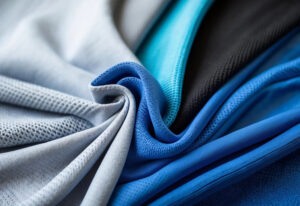
Why Is Fabric Selection So Important for Shorts?
Many consumers focus on style, color, or fit when purchasing shorts. However, fabric has the greatest impact on overall performance.
The fabric determines how shorts feel, stretch, breathe, absorb moisture, retain shape, and withstand repeated washing.
A well-designed pair of shorts can still fail if the fabric is poorly matched to the intended activity.
Key Performance Factors Influenced by Fabric
- Breathability
- Softness
- Moisture management
- Durability
- Stretch and recovery
- Weight
- Wrinkle resistance
Why Manufacturers Prioritize Fabric Development
Before production begins, manufacturers evaluate:
| Factor | Importance |
|---|---|
| Comfort | Very High |
| Durability | Very High |
| Performance | High |
| Cost | High |
| Appearance | High |
The fabric choice affects all of these areas.
Example
A running short made from heavyweight cotton may feel comfortable initially but become heavy and uncomfortable after absorbing sweat. A lightweight polyester-spandex fabric would perform much better in the same situation.
Is Cotton the Best Fabric for Casual Shorts?
Cotton remains one of the most widely used fabrics in the apparel industry.

Cotton is an excellent choice for casual shorts because it is naturally soft, breathable, and comfortable against the skin.
Consumers continue to prefer cotton for everyday wear.
Benefits of Cotton Shorts
Cotton provides:
- Natural comfort
- Excellent breathability
- Soft hand feel
- Good moisture absorption
- Easy maintenance
Common Cotton Shorts Categories
- Chino shorts
- Lounge shorts
- Casual streetwear shorts
- Summer fashion shorts
Cotton Performance Overview
| Property | Rating |
|---|---|
| Softness | Excellent |
| Breathability | Excellent |
| Durability | Good |
| Stretch | Low |
| Quick Drying | Moderate |
Cotton performs well in everyday environments.
Limitations of Cotton
Although cotton is comfortable, it also has disadvantages:
- Can shrink after washing
- Dries slowly
- Wrinkles easily
- Limited elasticity
These challenges often lead manufacturers to blend cotton with synthetic fibers.
Why Are Cotton-Polyester Blends So Popular?
Many of today's bestselling shorts use blended fabrics rather than pure cotton.
Cotton-polyester blends combine the softness of cotton with the durability and easy-care properties of polyester.
This balance makes them highly versatile.
Advantages of Cotton-Polyester Blends
- Better shape retention
- Faster drying
- Reduced shrinkage
- Improved durability
- Lower maintenance
Common Blend Ratios
| Blend Ratio | Primary Benefit |
|---|---|
| 80/20 | Cotton comfort with added durability |
| 65/35 | Balanced performance |
| 50/50 | Maximum durability |
Why Brands Prefer Blends
Blended fabrics help reduce:
- Fabric distortion
- Excessive wrinkling
- Color fading
- Wear and tear
These improvements often lead to higher customer satisfaction.
Is Polyester the Best Fabric for Athletic Shorts?
Performance apparel requires different characteristics than casual clothing.
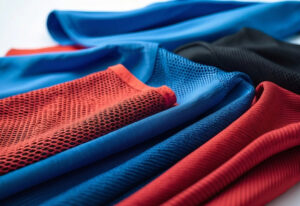
Polyester is one of the best fabrics for athletic shorts because it is lightweight, moisture-wicking, durable, and quick-drying.
Many sportswear brands rely heavily on polyester-based fabrics.
Advantages of Polyester
Polyester offers:
- Moisture management
- Lightweight performance
- Quick drying
- Wrinkle resistance
- Excellent durability
Common Athletic Applications
| Activity | Polyester Suitability |
|---|---|
| Running | Excellent |
| Training | Excellent |
| Gym Workouts | Excellent |
| Team Sports | Excellent |
Its performance benefits make polyester a dominant fabric in activewear.
Why Athletes Prefer Polyester
During exercise, polyester helps:
- Move sweat away from the body
- Reduce garment weight
- Improve comfort
- Increase mobility
These benefits directly improve performance.
What Makes Nylon a Premium Option for Shorts?
Nylon is another popular synthetic fiber used in performance and outdoor apparel.
Nylon is valued for its strength, abrasion resistance, smooth texture, and lightweight performance.
Many premium brands use nylon for technical shorts.
Nylon Advantages
- High durability
- Smooth hand feel
- Lightweight construction
- Excellent abrasion resistance
Common Nylon Shorts
- Hiking shorts
- Outdoor shorts
- Travel shorts
- Adventure apparel
Nylon vs Polyester
| Property | Nylon | Polyester |
|---|---|---|
| Durability | Excellent | Very Good |
| Softness | Very Good | Good |
| Moisture Management | Good | Excellent |
| Abrasion Resistance | Excellent | Very Good |
Each material serves different product goals.
Is Linen the Best Fabric for Summer Shorts?
Hot weather requires fabrics that maximize airflow.
Linen is one of the best fabrics for summer shorts because it is lightweight, breathable, and naturally cooling.

It remains a favorite in resort and vacation apparel.
Benefits of Linen
- Excellent airflow
- Lightweight feel
- Natural appearance
- Moisture absorption
Best Linen Applications
| Product Category | Suitability |
|---|---|
| Resort Wear | Excellent |
| Beach Shorts | Excellent |
| Vacation Apparel | Excellent |
| Casual Summer Shorts | Excellent |
Linen provides exceptional comfort in warm climates.
Challenges of Linen
Manufacturers must also consider:
- Wrinkling
- Limited stretch
- Higher fabric costs
These factors influence product positioning.
How Important Is Stretch in Shorts?
Modern consumers expect comfort and mobility.
Stretch fabrics improve freedom of movement, fit retention, and overall comfort, making them increasingly important in shorts manufacturing.
Many modern shorts incorporate elastane or spandex.
Benefits of Stretch
- Improved mobility
- Better fit
- Enhanced comfort
- Shape retention
Common Stretch Fibers
Manufacturers often add:
- Spandex
- Elastane
- Lycra®
Stretch Fabric Comparison
| Fabric Type | Stretch Level |
|---|---|
| Cotton | Low |
| Cotton-Spandex | Moderate |
| Polyester-Spandex | High |
| Nylon-Spandex | High |
Stretch blends have become standard in many categories.
What Fabric Weight Is Best for Shorts?
Fabric weight significantly affects comfort and seasonal performance.
Most shorts perform best between 150 GSM and 250 GSM, depending on their intended use.
Weight influences drape, durability, and breathability.
Typical Fabric Weights
| Weight | Application |
|---|---|
| 120–160 GSM | Lightweight summer shorts |
| 160–220 GSM | Everyday casual shorts |
| 220–280 GSM | Premium and structured shorts |
| 280+ GSM | Heavy-duty utility shorts |
Manufacturers select weight according to market requirements.
Why Weight Matters
A lightweight running short and a structured chino short require completely different fabric weights to perform properly.
Which Fabric Is Best for Different Types of Shorts?
Different products require different materials.
There is no universal fabric that works for every type of shorts. The ideal fabric depends on how the garment will be used.
Fabric Recommendations by Category
| Shorts Type | Recommended Fabric |
|---|---|
| Casual Shorts | Cotton or Cotton Blend |
| Athletic Shorts | Polyester-Spandex |
| Running Shorts | Lightweight Polyester |
| Hiking Shorts | Nylon-Spandex |
| Lounge Shorts | Cotton Jersey |
| Resort Shorts | Linen |
| Board Shorts | Polyester Microfiber |
Matching fabric to function improves product performance.
How Should Apparel Brands Choose Shorts Fabrics?
Fabric selection should always begin with the target customer.
The most successful shorts collections align fabric performance with consumer expectations, climate conditions, activity levels, and price targets.
Brands should avoid selecting fabrics based solely on cost.
Questions Brands Should Ask
- Who is the target consumer?
- How will the shorts be used?
- What climate will they serve?
- Is comfort or performance the priority?
- What is the target retail price?
Product Development Checklist
Evaluate:
- Fabric durability
- Breathability
- Stretch performance
- Moisture management
- Cost efficiency
A systematic approach helps reduce product development mistakes.
What Fabric Trends Are Shaping the Future of Shorts?
Consumer preferences continue to evolve.
Sustainability, performance innovation, and comfort-focused fabrics are driving the future of shorts manufacturing.
Brands increasingly seek fabrics that combine performance with environmental responsibility.
Emerging Fabric Trends
- Recycled polyester
- Organic cotton
- TENCEL™ blends
- Recycled nylon
- Performance stretch fabrics
Why Sustainability Matters
Consumers increasingly evaluate:
- Environmental impact
- Fabric sourcing
- Product longevity
This trend is influencing fabric selection across the industry.
Conclusion
The best fabric for shorts ultimately depends on the garment's intended purpose. Cotton remains a leading choice for casual comfort, while cotton-polyester blends provide versatility and durability.
Polyester and nylon dominate performance categories because of their moisture management, lightweight construction, and long-lasting performance. Linen remains one of the best options for warm-weather comfort, while stretch blends improve mobility across nearly every category.
At Fusionknits, fabric selection is viewed as the foundation of successful shorts development. By carefully matching material properties to consumer needs, climate conditions, and product positioning, brands can create shorts that deliver superior comfort, durability, and performance. The most successful products are not defined by a single fabric but by choosing the right fabric for the right purpose.