Many brands face challenges when selecting the right fabric for compression shirts. Using an inappropriate fabric can result in poor fit, reduced athletic performance, and negative customer feedback. Choosing the optimal material is critical to ensure proper compression, comfort, and durability.
The best options combine high elasticity, moisture-wicking fabrics, and durability. Fabrics made from blends of nylon, polyester, and elastane (spandex) are engineered to maintain shape, support muscles, and provide a comfortable, second-skin fit.
At Fusionknits, in our experience producing compression wear for clients in North America, Europe, and Australia, fabric choice is the single most important factor in product performance and customer satisfaction.
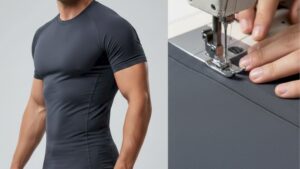
What Properties Make a Fabric Ideal for Compression Shirts?
Many buyers ask what differentiates compression fabrics from standard activewear materials.
Compression fabrics must provide controlled elasticity, excellent recovery, moisture management, and durability. These properties improve circulation, support muscles, and ensure comfort during intense workouts.
We assess fabrics based on:
- Stretch percentage and recovery
- Moisture-wicking and breathability
- Resistance to pilling and abrasion
- Skin comfort and softness
Focusing on these properties ensures garments meet both functional and aesthetic requirements.
Essential Fabric Properties
| Property | Importance |
|---|---|
| Stretch & Recovery | Maintains tight fit and muscle support |
| Moisture-Wicking | Keeps athletes dry and comfortable |
| Durability | Withstands repeated use and washing |
| Softness | Prevents skin irritation during movement |
| Shape Retention | Ensures long-term compression performance |
Proper fabric selection ensures the shirt feels like a second skin while remaining durable over time.
Common Fabrics Used in Compression Shirts
Over years of production, certain fabrics consistently deliver performance.

The most effective compression fabrics are synthetic blends with elastane (spandex) for stretch and recovery. Fiber ratios and knit structure determine performance and comfort.
Polyester-Elastane Blends
- Lightweight yet strong
- Excellent moisture-wicking properties
- Typical blend: 80–90% polyester, 10–20% elastane
- Ideal for running, cycling, and gym training
Nylon-Elastane Blends
- Softer, smoother hand feel
- High stretch with excellent recovery
- Slightly premium feel compared to polyester blends
- Suitable for high-performance compression and layering garments
Other Blends
- Polyamide-elastane: Soft, abrasion-resistant, often used in premium compression wear
- Polyester-cotton-elastane: Good for casual or recovery compression garments (less optimal for sweat-heavy activities)
Blends and knit structures should be tailored to activity type, climate, and target audience.
Stretch and Recovery: The Core of Compression Performance
Elasticity is the defining feature of a compression shirt.
Stretch is measured as the percentage increase from resting fabric length, and recovery is its ability to return to original dimensions. High-quality fabrics provide 4-way stretch fabric performance with minimal sagging after repeated wear.
Recommended Stretch Levels
- Sports compression: 20–40% stretch
- Recovery wear: 15–25% stretch
- Casual layering: 10–20% stretch
Recovery and Shape Retention
Poor recovery reduces compression effectiveness, diminishing muscle support. Fabrics should be tested with repeated stretch cycles to ensure long-term performance.
Knit Structures and Performance
- Warp-knitted fabrics: High stability, minimal sag
- Weft-knitted fabrics: Softer, more flexible, comfort-oriented
Multiple knit structures in a single garment optimize both performance and comfort.
Moisture Management and Breathability
Compression shirts are worn during high-intensity activity, so sweat management is critical.
Polyester or nylon blends with engineered yarns or finishing treatments that move moisture away from the skin keep athletes dry and reduce odor.
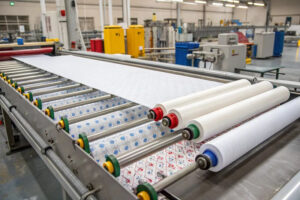
Testing Moisture-Wicking
- Lab simulations of sweating
- Drying time measurements after washing
- Active wear trials for real-world performance
Fabrics that perform well reduce friction, prevent irritation, and enhance comfort.
Finishing Treatments
Common enhancements include:
- Antimicrobial finishes to reduce odor
- Soft-touch finishes for skin comfort
- Matte or glossy surface treatments for aesthetics
These treatments improve perceived quality and performance without compromising compression.
Durability and Abrasion Resistance
Compression shirts must withstand repeated stretching, washing, and physical activity.
Fabrics that maintain compression and resist pilling or tearing provide the best balance between softness and longevity. Nylon-elastane blends often achieve this balance.
Factors Affecting Durability
- Yarn twist and strength
- Fabric density and knit consistency
- Elastane content (too high can reduce long-term durability)
- Stitching and seam construction
Pre-production simulations for wear and wash cycles help ensure performance.
Hand Feel and Skin Comfort
Even high-performance fabrics fail if they irritate the skin.

Soft, smooth fabrics minimize friction in areas such as underarms, shoulders, and side seams. Compression garments should feel like a second skin.
Surface Texture Considerations
- Brushed vs smooth textures
- Flatlock seams or seamless seams to reduce chafing
- Slight compression without restricting movement
Balancing functional compression with tactile comfort ensures a positive user experience.
Fabric Weight and Its Effect on Compression
Fabric weight affects support and comfort.
Fabrics between 180–250 GSM provide the best balance. Lighter fabrics offer breathability, while heavier fabrics increase support and recovery benefits.
| GSM Range | Recommended Use |
|---|---|
| 140–180 GSM | Light compression, running, summer use |
| 180–220 GSM | Standard compression for multi-sport activities |
| 220–250 GSM | High-performance compression, recovery wear |
Adjusting GSM according to activity type, climate, and brand positioning is essential.
Panel Construction and Targeted Compression
Compression shirts often use multiple fabric panels to optimize support and mobility.
Panels with varying stretch and recovery target muscle groups effectively while maintaining comfort.
- High-compression panels on chest, shoulders, and thighs
- Moderate compression on flexible zones like underarms and sides
- Strategic seam placement to reduce friction and enhance fit
Panel design ensures support without restricting natural movement.
How Brands Should Select the Best Fabric
Choosing the right fabric requires balancing elasticity, moisture management, durability, and comfort.
Recommended steps for B2B buyers:
- Define primary purpose: performance, recovery, or casual compression.
- Choose fiber blend: nylon-elastane for premium feel, polyester-elastane for durability.
- Determine fabric GSM for activity intensity and climate.
- Prototype and test stretch, recovery, moisture-wicking, and durability.
- Evaluate hand feel and comfort in real-use scenarios.
- Confirm finishing treatments and seam construction align with brand standards.
Following these steps ensures compression garments meet both functional and consumer expectations.
Quality Assurance for Compression Fabrics
Producing compression shirts at scale requires strict quality control.
Key checkpoints include:
- Incoming fabric inspection for stretch, weight, and hand feel
- Knit structure verification for uniform compression
- Seam strength and flatlock testing
- Wash and stretch recovery simulations
- Final garment inspection for fit, compression, and comfort
This ensures consistent performance and minimal defects in every production run.
Conclusion
The best fabric for a compression shirt combines high stretch, excellent recovery, moisture-wicking properties, durability, and a soft hand feel. Nylon-elastane or polyester-elastane blends consistently provide the optimal balance of performance, comfort, and longevity. These fabrics allow the shirt to maintain its shape, support muscles effectively, and withstand repeated use and washing without losing compression.
Additionally, factors such as fiber selection, knit construction, GSM, finishing treatments, and panel design play critical roles in garment performance. A well-engineered compression shirt enhances athletic performance, reduces muscle fatigue, improves comfort, and ensures consistent quality across production. Selecting the right fabric and construction method ensures that compression garments deliver superior value, durability, and user satisfaction in competitive markets.