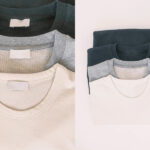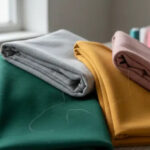
Many apparel brands use the term loungewear when developing collections, but the category has become much broader than simple stay-at-home clothing. Consumers now expect loungewear to offer comfort, versatility, and style. This shift has created new opportunities for brands while also making product development more complex.
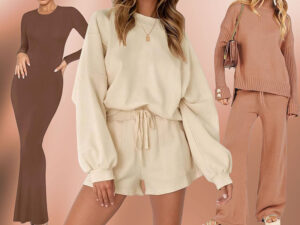
Loungewear includes a wide range of comfortable garments designed for relaxation, casual activities, and flexible everyday wear. Common types include lounge sets, sweatshirts, hoodies, joggers, leggings, shorts, cardigans, oversized T-shirts, and matching knitwear sets.
Over the past several years, demand for loungewear has expanded significantly across North America, Europe, and Australia. Consumers increasingly look for clothing that transitions seamlessly between home, travel, remote work, and casual outings.
What Is Considered Loungewear?
Many people confuse loungewear with sleepwear or activewear.
Loungewear refers to comfortable clothing designed primarily for relaxation and casual daily activities. Unlike sleepwear, it is intended to be seen in public settings, and unlike activewear, it is not specifically designed for athletic performance.
Modern loungewear often blends features from multiple apparel categories.
Characteristics of Loungewear
Most loungewear garments focus on:
- Soft fabrics
- Relaxed fits
- Breathability
- Ease of movement
- Everyday comfort
These characteristics make loungewear suitable for a variety of settings.
How Loungewear Differs From Similar Categories
| Category | Primary Purpose |
|---|---|
| Loungewear | Relaxation and casual wear |
| Sleepwear | Sleeping |
| Activewear | Exercise and sports |
| Athleisure | Casual wear inspired by sportswear |
| Homewear | Indoor use only |
As fashion trends evolve, the boundaries between these categories continue to overlap.
Why Have Lounge Sets Become So Popular?
Matching lounge sets have become one of the fastest-growing segments in the apparel market.

Lounge sets are popular because they provide a coordinated look while maintaining comfort. Consumers appreciate the convenience of ready-made outfits that require minimal styling effort.
Many brands now prioritize lounge sets in seasonal collections.
Common Lounge Set Components
A lounge set typically includes:
- Sweatshirt and joggers
- Hoodie and sweatpants
- T-shirt and shorts
- Knit top and knit pants
Matching pieces create a more polished appearance.
Why Consumers Love Matching Sets
Benefits include:
- Easy outfit coordination
- Fashionable appearance
- Comfort
- Versatility
- Travel-friendly styling
These advantages contribute to strong repeat purchases.
Popular Fabrics for Lounge Sets
Common materials include:
| Fabric | Key Benefit |
|---|---|
| Cotton | Softness and breathability |
| French Terry | Lightweight comfort |
| Fleece | Warmth |
| Modal | Smooth hand feel |
| Bamboo Viscose | Softness and sustainability |
Material selection plays a major role in product positioning.
Are Hoodies and Sweatshirts Considered Loungewear?
Many buyers wonder whether hoodies belong in the loungewear category.
Yes, hoodies and sweatshirts are among the most popular forms of modern loungewear because they combine comfort, warmth, and casual styling.
These garments continue to perform well across multiple markets.
Why Hoodies Remain Bestsellers
Consumers value hoodies because they offer:
- Relaxed comfort
- Layering flexibility
- Year-round usability
- Casual fashion appeal
Few garments deliver the same level of versatility.
Sweatshirts vs Hoodies
| Feature | Sweatshirt | Hoodie |
|---|---|---|
| Hood | No | Yes |
| Drawstring | No | Usually |
| Kangaroo Pocket | Rare | Common |
| Casual Appearance | High | Very High |
Both products are frequently included in loungewear collections.
Popular Hoodie Styles
Current market trends include:
- Oversized hoodies
- Cropped hoodies
- Zip-up hoodies
- Heavyweight hoodies
These variations allow brands to target different customer groups.
Why Are Joggers a Core Loungewear Item?
Joggers have become one of the defining products within modern loungewear.
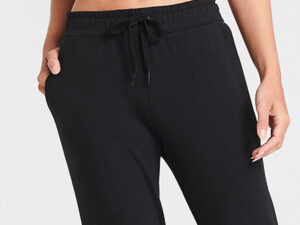
Joggers are considered a loungewear essential because they combine the comfort of sweatpants with a more refined silhouette suitable for everyday wear.
Many consumers wear joggers far beyond the home environment.
Key Features of Joggers
Most joggers include:
- Elastic waistband
- Adjustable drawcord
- Tapered leg design
- Elastic ankle cuffs
These details create a cleaner appearance than traditional sweatpants.
Benefits of Joggers
Consumers appreciate:
- Comfort
- Mobility
- Versatility
- Modern styling
This combination supports broad market appeal.
Fabric Choices for Joggers
Common options include:
- Cotton fleece
- French terry
- Cotton-polyester blends
- Modal blends
Each fabric creates a different customer experience.
How Do Leggings Fit Into the Loungewear Category?
Leggings have expanded beyond activewear and become a major loungewear product.
Many consumers now wear leggings as loungewear because they provide comfort, flexibility, and versatility for both indoor and outdoor activities.
The rise of athleisure has accelerated this trend.
Why Leggings Work as Loungewear
Leggings offer:
- Stretch comfort
- Lightweight feel
- Easy styling
- Space-saving wardrobe options
These benefits appeal to modern lifestyles.
Popular Loungewear Legging Fabrics
Common materials include:
| Fabric Blend | Key Advantage |
|---|---|
| Cotton-Spandex | Softness and stretch |
| Nylon-Spandex | Smooth feel |
| Polyester-Spandex | Durability |
| Modal-Spandex | Luxury comfort |
Fabric selection often depends on the target market.
Current Design Trends
Popular styles include:
- High-waisted leggings
- Flared leggings
- Ribbed leggings
- Seamless leggings
These trends continue to drive consumer demand.
Are Cardigans and Knitwear Considered Loungewear?
Loungewear is no longer limited to sweat-based garments.
Cardigans and knitwear are increasingly included in loungewear collections because they offer comfort while maintaining a more elevated appearance.
These products appeal to consumers seeking a polished look.
Why Knitwear Is Growing
Consumers often choose knitwear because it provides:
- Soft comfort
- Warmth
- Sophisticated styling
- Versatile layering options
This makes knitwear ideal for work-from-home wardrobes.
Popular Knit Loungewear Pieces
Examples include:
- Knit cardigans
- Knit lounge pants
- Ribbed knit sets
- Knit dresses
These products often command higher retail prices.
Common Knit Materials
Popular fibers include:
- Cotton
- Viscose
- Acrylic
- Wool blends
- Cashmere blends
Material selection significantly impacts pricing and positioning.
What Fabrics Are Best for Loungewear?
Fabric choice often determines whether a loungewear collection succeeds.
The best loungewear fabrics combine softness, breathability, durability, and easy care. Cotton-based materials remain the most popular, while modal and bamboo blends are gaining market share.
Consumers prioritize comfort above almost every other factor.
Most Popular Loungewear Fabrics
Cotton
Benefits:
- Breathable
- Soft
- Durable
- Easy to wash
Modal
Advantages:
- Silky hand feel
- Excellent drape
- Premium appearance
Bamboo Viscose
Provides:
- Softness
- Moisture management
- Sustainability appeal
French Terry
Offers:
- Lightweight warmth
- Versatility
- Year-round comfort
These materials dominate many successful collections.
Fabric Selection by Product Type
| Product | Recommended Fabric |
|---|---|
| Hoodie | Cotton fleece |
| Jogger | French terry |
| Lounge Set | Cotton-modal blend |
| Cardigan | Viscose blend |
| Legging | Spandex blend |
The right fabric should align with both customer expectations and pricing strategy.
How Should Brands Build a Successful Loungewear Collection?
Developing a successful collection requires more than selecting comfortable garments.
Brands should focus on versatility, fabric quality, coordinated styling, and consumer lifestyle needs when designing loungewear programs.
Understanding customer behavior is essential.
Focus on Core Bestsellers
Many successful collections begin with:
- Hoodies
- Joggers
- Lounge sets
- Leggings
These products often generate the highest sales volume.
Prioritize Fabric Quality
Consumers frequently evaluate:
- Softness
- Weight
- Stretch
- Durability
Superior fabrics encourage repeat purchases.
Build Coordinated Collections
Matching products help increase average order value.
Examples include:
- Matching hoodies and joggers
- Coordinated knitwear sets
- Layering cardigans and lounge tops
This approach improves merchandising opportunities.
Consider Seasonal Planning
Different seasons require different product mixes.
| Season | Recommended Products |
|---|---|
| Spring | Lightweight sets |
| Summer | T-shirts and shorts |
| Autumn | Hoodies and joggers |
| Winter | Fleece and knitwear |
Strategic planning helps maximize year-round sales.
Conclusion
Loungewear has evolved into one of the most diverse and commercially successful categories in modern apparel. What once referred primarily to clothing worn at home now includes a wide variety of garments such as lounge sets, hoodies, sweatshirts, joggers, leggings, cardigans, knitwear, shorts, and oversized T-shirts. Each product serves a different purpose, but all share the common goal of delivering comfort, versatility, and everyday wearability.
The most successful loungewear collections balance style and functionality while meeting the changing needs of modern consumers. Fabric selection, coordinated designs, seasonal planning, and product versatility all play important roles in collection development. Brands that understand the different types of loungewear and how consumers use them can create stronger product lines, increase customer loyalty, and capitalize on one of the fastest-growing segments in the global apparel market.
At Fusionknits, we have seen continued demand for premium loungewear across multiple international markets. The brands that achieve the best results are often those that combine high-quality fabrics, thoughtful design, and cohesive collections to create comfortable products that consumers want to wear both at home and beyond.