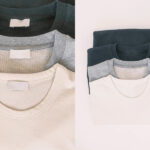
V-neck shirts are one of the most recognizable T-shirt styles in modern fashion. Their distinctive neckline offers a different appearance from traditional crew necks and has remained popular across multiple generations. However, many people are surprised to learn that V-neck shirts were not originally created as fashion garments. Their rise in popularity came through a combination of practicality, cultural shifts, celebrity influence, and changing fashion trends.
V-neck shirts first gained popularity in the early 20th century as undershirts, but they became mainstream fashion items during the 1950s and 1960s. Their popularity expanded further in the 1980s, 1990s, and early 2000s as casualwear and streetwear became more influential. Today, V-neck shirts remain a staple in both men's and women's fashion because they offer versatility, comfort, and a flattering neckline.
The journey of the V-neck shirt reflects broader changes in apparel design, consumer preferences, and cultural attitudes toward casual clothing.
At Fusionknits, we have seen V-neck shirts remain a consistent product category because their timeless design appeals to a wide range of consumers and fashion markets.
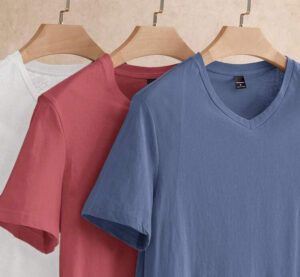
What Was the Original Purpose of V-Neck Shirts?
Many people assume V-necks were designed as fashion garments.
The original purpose of V-neck shirts was to function as undershirts that could be worn beneath dress shirts without the neckline being visible when the top button was left open.
Functionality came before fashion.
Why V-Necks Were Created
Early V-neck undershirts offered:
- Hidden appearance under collars
- Improved comfort
- Better layering options
- Reduced fabric visibility
These practical benefits drove early adoption.
The Rise of Undershirts
During the early 1900s:
- Men's dress shirts became common
- Layering garments increased
- Undershirts improved hygiene
The V-neck design solved a specific wardrobe problem.
Why Crew Necks Were Less Suitable
Crew neck undershirts often showed above:
- Open collars
- Dress shirts
- Casual button-downs
The V-neck offered a cleaner appearance.
How Did V-Neck Shirts Become Fashionable?
A garment originally designed for function eventually became a fashion staple.

V-neck shirts became fashionable when consumers began wearing undershirts as standalone garments, particularly during the mid-20th century when casual dress codes became more accepted.
Cultural changes played a major role.
The Shift Toward Casual Fashion
Several factors contributed:
- Relaxed dress codes
- Growth of sportswear
- Hollywood influence
- Youth culture movements
These trends transformed basic garments into fashion pieces.
Celebrity Influence
Popular actors and musicians helped normalize:
- T-shirts as outerwear
- Casual dressing
- Minimalist styles
Consumers often followed celebrity fashion choices.
Changing Consumer Preferences
People increasingly valued:
- Comfort
- Simplicity
- Versatility
The V-neck fit perfectly into these trends.
Why Did V-Necks Become Popular in the 1950s and 1960s?
The post-war period transformed fashion worldwide.
During the 1950s and 1960s, V-neck shirts became increasingly visible as casualwear gained acceptance and younger generations embraced more relaxed styles.
Fashion became less formal.
Cultural Shifts
The era saw:
- Increased leisure time
- Rising youth influence
- Casual weekend fashion
Consumers began prioritizing comfort.
Hollywood's Role
Movie stars often appeared wearing:
- Simple T-shirts
- Knitwear
- V-neck sweaters
These looks influenced everyday fashion.
The Growth of Knitwear
Advancements in textile manufacturing made:
- T-shirts more affordable
- Knit garments more accessible
- Casualwear more widespread
Production improvements expanded availability.
Why Were V-Neck Shirts So Popular in the 2000s?
Many consumers remember the V-neck boom of the early 2000s.
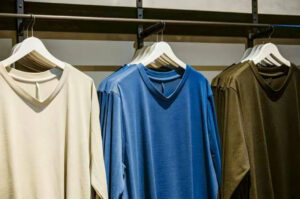
V-neck shirts experienced a major resurgence during the 2000s because they were associated with modern, fitted silhouettes and became popular among celebrities, musicians, and fashion-conscious consumers.
This period marked one of their strongest fashion moments.
Fashion Trends of the Era
Popular characteristics included:
- Slim fits
- Deep V-necklines
- Layered outfits
- Minimalist styling
The neckline became a focal point.
Celebrity Influence
Many public figures regularly wore:
- Deep V-neck T-shirts
- Layered V-necks
- Designer casualwear
This increased visibility.
Retail Expansion
Fashion retailers heavily promoted:
- V-neck basics
- Premium T-shirts
- Layering collections
Consumer demand grew rapidly.
What Makes V-Neck Shirts Different from Crew Necks?
Although both are basic T-shirt styles, they create different visual effects.
The primary difference is the neckline shape. V-necks create a downward visual line that can elongate the neck and create a more open appearance, while crew necks provide a classic, rounded neckline.
Each style serves different preferences.
Visual Differences
V-necks often appear:
- More open
- Slightly dressier
- More modern
Crew necks typically feel:
- Traditional
- Casual
- Timeless
Both remain popular today.
Fit and Styling Impact
The neckline affects:
- Layering options
- Face framing
- Overall silhouette
Small design changes create noticeable visual differences.
Consumer Preferences
Some consumers prefer:
- Crew necks for simplicity
- V-necks for versatility
Personal style often determines preference.
Why Do Many People Find V-Necks Flattering?
Flattering design is one reason for the style's longevity.

Many people find V-neck shirts flattering because the neckline creates visual length, draws attention toward the face, and can create a slimmer appearance.
This effect appeals to many body types.
Visual Benefits
The V-shape helps:
- Lengthen the neck
- Balance facial proportions
- Create vertical lines
These effects influence perception.
Popularity Across Demographics
V-necks are commonly worn by:
- Men
- Women
- Young adults
- Older consumers
The design has broad appeal.
Why Stylists Recommend V-Necks
Stylists often choose V-necks because they:
- Work with layered outfits
- Complement various body shapes
- Adapt to different fashion aesthetics
Versatility remains a key advantage.
What Fabrics Are Most Commonly Used for V-Neck Shirts?
Fabric selection plays a major role in comfort and appearance.
Most V-neck shirts are made from cotton, cotton-polyester blends, modal, rayon blends, or performance fabrics depending on the intended market and use.
Material choice influences quality.
Cotton V-Necks
Benefits include:
- Breathability
- Softness
- Durability
Cotton remains one of the most common options.
Cotton-Polyester Blends
Advantages include:
- Wrinkle resistance
- Shape retention
- Durability
These blends are widely used in retail.
Premium Fabrics
Higher-end V-necks may use:
- Modal
- Bamboo viscose
- Supima cotton
These materials enhance softness.
Fabric Comparison
| Fabric Type | Characteristics |
|---|---|
| Cotton | Soft and breathable |
| Cotton-Polyester | Durable and affordable |
| Modal | Premium softness |
| Bamboo Blend | Smooth and lightweight |
| Performance Polyester | Moisture-wicking |
Fabric choice often reflects target market positioning.
Are V-Neck Shirts Still Popular Today?
Fashion trends constantly change, but some styles endure.
Yes, V-neck shirts remain popular today because they provide versatility, comfort, and a more open neckline than crew necks. While trend cycles fluctuate, V-necks continue to maintain a stable presence in fashion.
They have become a wardrobe staple.
Modern Applications
Today V-necks appear in:
- Casualwear
- Athleisure
- Business casual outfits
- Resort wear
Their adaptability supports continued demand.
Current Trends
Modern V-necks often feature:
- Moderate neck depth
- Premium fabrics
- Relaxed fits
Extreme deep V-necks have become less common.
Why They Continue to Sell
Consumers appreciate:
- Timeless styling
- Easy layering
- Flattering appearance
These qualities support long-term popularity.
How Have V-Neck Shirts Evolved Over Time?
The basic concept remains unchanged, but design details have evolved.
Modern V-neck shirts differ from earlier versions through improved fabrics, updated fits, enhanced construction methods, and greater variety in neckline depth and styling.
The category continues to adapt.
Evolution of Fit
Changes include:
- Slim-fit styles
- Relaxed silhouettes
- Oversized fashion versions
Fit trends reflect broader fashion movements.
Fabric Innovation
Manufacturers now use:
- Stretch fabrics
- Moisture-wicking fibers
- Sustainable materials
Technology has improved performance.
Design Variations
Modern V-necks include:
- Athletic styles
- Luxury basics
- Fashion-forward interpretations
The category continues to diversify.
Conclusion
V-neck shirts first became popular in the early 20th century as practical undershirts designed to remain hidden beneath dress shirts. Their transition into mainstream fashion began during the 1950s and 1960s as casualwear gained acceptance and consumers embraced more relaxed styles. Over time, celebrity influence, changing dress codes, and evolving fashion trends helped transform the V-neck from a functional undergarment into a versatile wardrobe essential. The style experienced another major surge in popularity during the early 2000s and continues to maintain relevance across multiple fashion categories today.
One reason for the enduring success of V-neck shirts is their ability to balance simplicity with visual appeal. The neckline creates a flattering shape, works well for layering, and adapts easily to different fits, fabrics, and fashion aesthetics. Whether made from basic cotton, premium modal blends, or performance fabrics, V-neck shirts continue to offer consumers a combination of comfort, versatility, and timeless style.
At Fusionknits, we have found that V-neck shirts remain one of the most reliable categories in apparel manufacturing because they appeal to a wide range of markets, from casual basics and promotional apparel to premium fashion collections. Their long history and continued relevance demonstrate how a simple design can remain successful for generations.