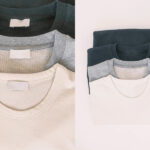
Many brands look for one winning T-shirt design formula, but the market does not reward design alone. A T-shirt becomes popular when the design is easy to understand, easy to wear, and easy to reproduce at a consistent quality level. That is why some shirts get attention, but only a smaller group of designs get repeat sales.
The most popular type of T-shirt design is usually a simple and commercially clear design, especially minimalist graphics, clean typography, small chest prints, and well-balanced front or back graphics. In broader retail and wholesale markets, designs that are easy to wear repeatedly usually outperform designs that are too crowded, too niche, or too trend-heavy.
At Fusionknits, T-shirt design is viewed as both a creative decision and a product strategy. The strongest design is not only visually attractive. It must also match the target customer, the garment fit, the print method, and the long-term selling logic of the brand.
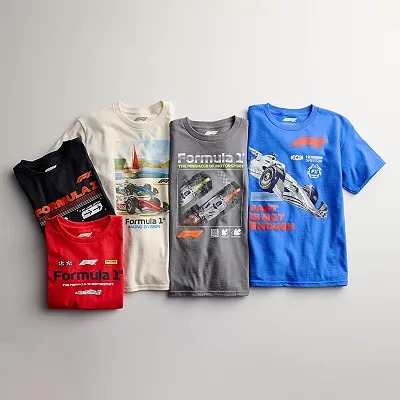
Why do simple T-shirt designs usually perform better than complex ones?
A T-shirt has limited visual space. When too many design elements compete on the same garment, the product often becomes harder to wear and harder to sell. This is one reason simpler designs usually perform more consistently in the market.
Simple T-shirt designs usually perform better because they are easier to understand, easier to style, and easier to repeat in daily wear. A design that feels clean and balanced often has more commercial life than a design that tries to say too many things at once.
From a manufacturing point of view, simplicity also supports stronger production control. A simpler design is easier to place consistently, easier to print cleanly, and easier to reproduce across different shirt sizes and bulk orders. This matters because the most popular T-shirt designs are usually not only liked once. They are bought again and again.
At Fusionknits, the strongest-selling graphic programs often show one common trait: design restraint. The print is clear, the visual message is focused, and the shirt still feels wearable after the first impression.
Why simpler designs often sell better
- They are easier to read quickly
- They are easier to match with everyday clothing
- They usually have lower styling risk
- They fit more customer groups
- They are easier to reproduce consistently
Why complex designs often struggle
They reduce wearability
A shirt may look exciting online but feel too loud for repeated use.
They can weaken product clarity
Too many elements often make the garment feel visually confused.
They increase production complexity
More print colors, more placement zones, or too much detail can make the result less stable.
A simple comparison
| Design direction | Typical commercial result |
|---|---|
| Clean and focused design | Stronger repeat wear and broader appeal |
| Overloaded design | Higher visual risk and narrower market |
| Balanced statement design | Strong in the right target segment |
This is why many of the most popular T-shirt designs are not the most complicated ones. They are the ones with the clearest product message.
Is minimalist design the most popular T-shirt design style?
In many current retail and wholesale programs, yes. Minimalist design remains one of the strongest and safest directions because it works across many customer types and many product categories.
Yes, minimalist design is one of the most popular T-shirt design styles because it feels clean, modern, wearable, and commercially flexible. Small chest logos, subtle typography, restrained graphics, and low-noise layouts often perform well because they fit easily into everyday wardrobes.
Minimalist design works especially well in basics, premium casualwear, private-label collections, and brands that want a more refined image. It can also be more stable across seasons because it depends less on novelty and more on repeat wear value.
At Fusionknits, minimalist T-shirt designs are often chosen when the brand wants lower visual risk, better long-term relevance, and stronger wardrobe compatibility.

Common minimalist T-shirt design directions
- Small chest logo
- Tone-on-tone print
- Simple typography
- Clean line illustration
- Small back neck print
- Minimal front graphic with open space
Why minimalist design stays popular
It is easy to wear
Customers do not need a special styling context to use the shirt.
Simple design often looks more refined when the fit and fabric are strong.
It works across age groups
The design language is broad enough for many markets.
Minimalist design overview
| Minimalist feature | Why it performs well |
|---|---|
| Low visual noise | Easier repeat wear |
| Clear print placement | Better balance on the garment |
| Simple message | Faster customer understanding |
| Subtle branding | Stronger long-term usability |
That is why minimalist T-shirt design remains one of the strongest answers when brands ask what type of design is most popular.
Are graphic T-shirts still more popular than plain T-shirts?
This depends on the category being discussed. In pure garment volume, plain basics are often extremely strong. But when the topic is design popularity, graphic T-shirts remain one of the most important categories because they create visual identity and customer emotion.
Yes, graphic T-shirts are still one of the most popular design-led T-shirt categories because they combine clothing with identity, message, humor, culture, or brand storytelling. However, the most successful graphic T-shirts are usually the ones with clear visual focus and good wearability, not the ones with the most decoration.
A graphic tee works because it gives the customer something beyond fabric and fit. It may communicate attitude, nostalgia, belonging, humor, music, or lifestyle. But not every graphic tee succeeds. The most commercially effective ones usually keep the idea readable and the visual structure balanced.
At Fusionknits, graphic T-shirts remain one of the strongest design categories, especially in youth fashion, lifestyle retail, merchandise, and streetwear-linked product lines.
Graphic design directions that often perform well
- Vintage-inspired graphics
- Typography with strong message clarity
- Back-print designs with smaller front detail
- Clean illustrated motifs
- Brand-led identity graphics
- Symbol-based or icon-based graphics
Why graphic tees stay commercially relevant
They build emotional connection
A graphic shirt can express interest, humor, identity, or belonging.
They help brands stand out
A graphic gives the shirt a clearer personality than a plain base alone.
They support storytelling
This matters strongly in lifestyle and niche brand development.
Graphic tee logic
| Graphic type | Commercial strength |
|---|---|
| Clear, focused graphic | Stronger |
| Nostalgic or culture-linked graphic | Often strong |
| Overcrowded graphic | Weaker long-term wearability |
| Balanced front or back print | Better commercial usability |
So yes, graphic T-shirts are still highly popular, but the best-selling graphic styles are usually not the noisiest ones.
What kind of graphic T-shirt design is most popular?
Within graphic T-shirts, not every design direction performs equally. Some are too narrow, too trend-driven, or too difficult to wear regularly.
The most popular type of graphic T-shirt design is usually a clean and well-positioned graphic with a clear message or visual theme. Vintage graphics, minimalist typography, understated logos, and strong back-print concepts are often among the most commercially effective directions because they combine identity with wearability.
From a manufacturing point of view, these designs work well because they are visually strong without becoming chaotic. They also tend to print more cleanly and hold better product balance across different sizes and fabric bases.
At Fusionknits, the most commercially stable graphic tees are often built around one strong focal idea instead of many competing graphics.
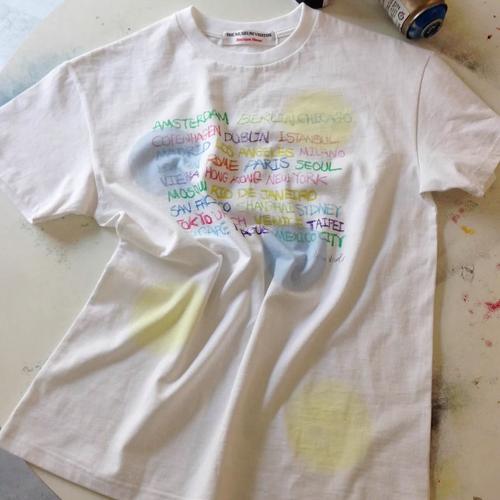
Graphic styles that often perform strongly
- Vintage-style faded artwork
- Clean typographic statements
- Small front logo with larger back print
- Music or cultural reference design
- Minimal icon graphics
- Washed or distressed graphic treatment in the right market
Why these designs work better
They are easy to recognize
The customer understands the design quickly.
They feel intentional
A focused concept usually looks more developed than a crowded print.
They stay wearable
The shirt still works as clothing, not only as a visual object.
Graphic style comparison
| Graphic direction | Typical market strength |
|---|---|
| Vintage graphic | Strong in lifestyle and streetwear |
| Minimal typography | Strong in broad fashion use |
| Small logo plus back print | Strong in modern branded collections |
| Overcrowded collage print | More niche and less stable |
That is why the most popular graphic T-shirt design is usually a design with one strong visual center and good garment balance.
Do logo T-shirts still sell better than artistic or message-based designs?
Logo T-shirts remain very important, but their performance depends on the strength of the brand. A logo alone does not guarantee popularity unless the customer already connects with it or the logo is handled in a visually appealing way.
Logo T-shirts can be very popular, especially when the brand identity is already strong or when the logo treatment is clean and stylish. However, artistic and message-based designs often perform better than simple logo placement when the brand itself is still building recognition.
A strong logo tee works because the customer wants to wear the brand visibly. But for newer brands, a shirt with a better visual idea may perform more strongly than one with only a straightforward brand mark.
At Fusionknits, logo tees are usually strongest when they are built as part of a broader design language rather than treated as the entire creative strategy.
When logo T-shirts perform well
- Established brand identity
- Strong streetwear positioning
- Clean premium basics programs
- Merchandise-driven collections
- Uniform or corporate apparel
When artistic or message-based designs may perform better
The brand is still new
A design concept may create more interest than a brand mark alone.
The customer buys for expression
The shirt is chosen for what it says or shows, not only for the label.
The market is highly visual
Some categories respond better to design storytelling than to simple branding.
Logo vs concept design view
| Design type | Best use context |
|---|---|
| Logo tee | Strong brand recognition or clean basics |
| Message tee | Identity and communication-driven sales |
| Artistic graphic tee | Visual storytelling and fashion appeal |
So logo T-shirts remain important, but they are not always the most popular design type unless the brand already carries enough meaning.
What print placement is most popular in T-shirt design?
Design popularity is not only about the artwork itself. Print placement changes how the shirt is perceived, how wearable it feels, and how modern or commercial the product looks.

The most popular print placements in T-shirt design are usually center chest, left chest, and back print layouts. Among these, left chest plus larger back print and clean center-front graphics are especially strong because they balance visibility with wearability.
From a product development perspective, print placement affects more than style. It changes how the shirt reads on the body. A left-chest mark can feel refined and low-risk. A centered front print can create direct visual impact. A large back print can feel strong without making the front too busy.
At Fusionknits, print placement is reviewed as part of overall garment architecture because popularity is often linked to visual balance, not only to design type.
Common popular print placements
- Left chest
- Center chest
- Small front with larger back print
- Full back graphic
- Sleeve detail in support role
- Back neck print for subtle branding
Why these placements perform well
They are visually familiar
Customers understand the product quickly.
They support styling flexibility
The shirt can remain wearable even with a visible design.
They work across many categories
These placements fit basics, streetwear, merchandise, and lifestyle collections.
Placement comparison
| Placement type | Typical strength |
|---|---|
| Left chest | Clean and low-risk |
| Center chest | Direct and visible |
| Back print | Strong in modern graphic programs |
| Front and back balance | Very strong in brand-led collections |
The most popular T-shirt designs are often supported by popular placement logic as much as by the artwork itself.
Do trendy T-shirt designs sell more than timeless ones?
Trend-driven designs can sell very fast for a short time, but timeless designs usually perform better across a longer commercial cycle. This difference is very important in product planning.
Trendy T-shirt designs can create fast attention, but timeless designs usually sell more consistently over time. The most popular long-term design types are often the ones that combine current relevance with repeat wear value instead of depending only on short-term trend energy.
A trend-based design may do well in a drop model, event-based collection, or fast fashion cycle. But if the shirt is meant to support repeat orders, stable wholesale demand, or broader market wearability, a more timeless design usually carries less risk.
At Fusionknits, the strongest commercial programs often use a mixed strategy: a stable core design direction with carefully selected trend accents.
Why timeless designs perform better long term
- Easier repeat wear
- Lower inventory risk
- Broader customer appeal
- Better reorder logic
- Longer retail life
Why trend designs still matter
They create attention
A trend-led design can help a brand stay current.
They support seasonal drops
Short-cycle collections often need more visual energy.
They can define a market niche
Some customers actively want novelty and fast trend language.
Trend vs timeless design logic
| Design direction | Commercial behavior |
|---|---|
| Timeless minimalist design | More stable long-term |
| Vintage-inspired design | Strong bridge between trend and longevity |
| Fast-trend graphic | Higher attention, shorter life |
| Brand-stable signature design | Strong repeat potential |
The most popular T-shirt design overall is often not the most temporary one. It is usually the one that stays wearable and commercially relevant longer.
What should brands learn from the most popular T-shirt design types?
Popularity in T-shirt design is not random. It usually comes from a design that works at three levels at the same time: visual clarity, garment wearability, and market fit.
Brands should learn that the most popular T-shirt design types are usually clear, wearable, commercially balanced, and easy to reproduce. A strong design should communicate fast, fit the garment naturally, and still feel useful in real wardrobes rather than only in a campaign image.
At Fusionknits, the best-performing T-shirt designs usually begin with a clear purpose. They know whether they are trying to communicate brand identity, visual attitude, or wardrobe simplicity. They also respect the product itself. The fit, fabric, and print route are aligned with the design direction instead of being treated as separate decisions.
What strong brands usually do better
- They choose one clear design direction
- They build around repeat wear value
- They match artwork to garment shape
- They keep print placement balanced
- They use production-friendly design logic
- They avoid unnecessary visual noise
Why this matters in manufacturing too
Better designs scale more easily
A clearer design is easier to produce consistently in bulk.
Better designs reduce revision risk
The sample stage moves faster when the artwork and garment logic match.
Better designs support better margins
Commercially stable designs usually create stronger reorder potential.
A practical design lesson
| Strong design habit | Commercial benefit |
|---|---|
| Clear visual message | Faster customer understanding |
| Better wearability | More repeat use |
| Controlled print complexity | Better production stability |
| Timeless or balanced design direction | Longer product life |
The most popular T-shirt design is usually not the loudest. It is usually the one that stays desirable when the customer thinks beyond the first look.
Conclusion
The most popular type of T-shirt design is usually a simple and commercially clear design, especially minimalist graphics, clean typography, understated logos, and balanced graphic placements such as center chest or small front with back print. Graphic T-shirts remain highly popular, but the strongest-performing designs are usually the ones that combine visual identity with repeat wear value rather than relying only on trend or visual overload.
From a professional manufacturing perspective, the best T-shirt design is one that works as a product, not only as artwork.
At Fusionknits, the most commercially successful T-shirt designs are usually built on three things: clarity, wearability, and production logic. When the design fits the garment, the market, and the manufacturing method at the same time, the result is usually stronger, more repeatable, and more popular over the long term.