A cardigan may look simple on the rack, but its quality begins long before the garment is knitted. The real difference between an average cardigan and a strong one usually comes from fiber choice, yarn quality, gauge control, and finishing discipline. A cardigan can have a good silhouette and still feel weak if the material does not support softness, recovery, stability, and long-term wear.
Good quality cardigans are usually made of better fibers such as long-staple cotton, fine merino wool, cashmere blends, quality wool blends, or well-engineered mixed yarns that balance softness, durability, shape retention, and comfort. The best material depends on the cardigan’s season, market level, and intended use, but strong quality usually comes from a combination of better raw fiber, cleaner yarn spinning, and controlled knit construction.
At Fusionknits, cardigan quality is never judged by fiber name alone. A strong cardigan comes from a full material system. That system includes the right raw fiber, the right yarn structure, the right knit density, and the right finishing method. When those factors work together, the cardigan feels better, performs better, and keeps its value longer in real wear.
Why does material matter so much in cardigan quality?
A cardigan is a knitwear product, so the material does more than decide the label. It affects the entire garment identity. The fiber changes hand feel, warmth, drape, pilling behavior, recovery, and wash response. That is why material is one of the first decisions that shapes final quality.
Material matters so much in cardigan quality because it controls softness, durability, elasticity, breathability, surface stability, and long-term appearance. A weaker material may look acceptable in sampling, but it often loses shape, pills more quickly, or feels less refined after repeated wear.
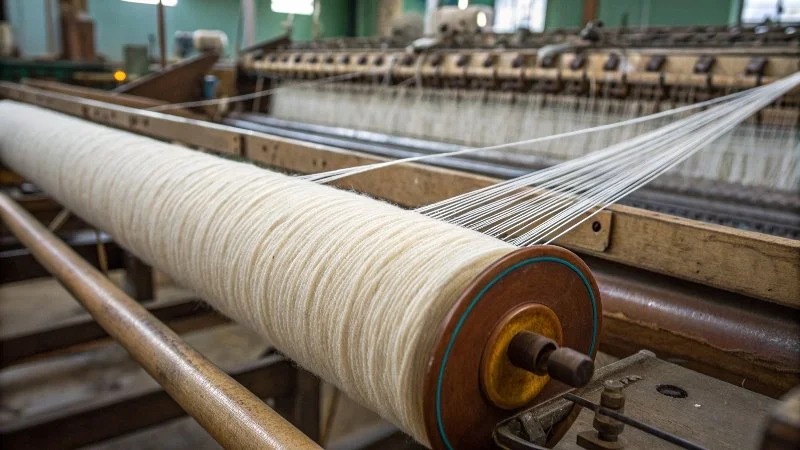
From a manufacturing perspective, the cardigan begins with the yarn, not only with the design sketch. Two cardigans can have the same silhouette and still feel completely different if one is made from compact fine merino and the other from a weaker acrylic-rich yarn. The first may look clean and recover well. The second may feel softer at first touch, but lose surface quality much faster.
At Fusionknits, material selection is treated as a technical and commercial decision at the same time. The fiber must support both the visual goal and the real-life use of the garment.
Why material drives cardigan performance
- It shapes softness and hand feel
- It affects how the cardigan hangs on the body
- It changes warmth and seasonality
- It influences pilling and abrasion behavior
- It affects washing stability
- It helps define market position
Why this matters in product development
Material changes the full garment result
A cardigan is not only designed. It is engineered through the yarn.
The same style can behave differently
Two identical cardigan shapes can perform very differently depending on the fiber system.
Fabric appearance is not enough
A cardigan should be judged by how it wears, not only how it looks in a sample review.
A simple quality view
| Material factor | Effect on cardigan quality |
|---|---|
| Better fiber | Better base performance |
| Better yarn | Better surface stability |
| Better knit match | Better structure and drape |
| Better finish | Better final feel and appearance |
That is why good cardigan quality usually begins with better material logic.
Is cotton a good material for quality cardigans?
Yes, especially when the cotton itself is strong enough and the yarn is developed correctly. Cotton remains one of the most useful cardigan fibers in the market because it is breathable, versatile, and easy to wear.
Yes, cotton is a good material for quality cardigans when it is long-staple, well-spun, and matched to the right knit structure. Cotton cardigans are especially strong in lighter, trans-seasonal, and everyday categories because they offer comfort, breathability, and broad styling flexibility.
Cotton works particularly well in spring, autumn, indoor layering, and casual basics. It creates a clean, natural hand feel that many customers trust. But not all cotton performs equally. Long-staple cotton usually gives smoother yarn and a cleaner surface than short-staple cotton. Better yarn spinning also matters because weak cotton yarn can still pill or lose shape too easily.
At Fusionknits, cotton is often selected for cardigans that need broad wearability, easy styling, and lighter seasonal use without sacrificing material quality.
Why cotton performs well in good cardigans
- Breathable and comfortable
- Familiar and easy to wear
- Strong for trans-seasonal layering
- Suitable for broad color development
- Useful across many market levels
What makes cotton better or worse in cardigan quality
Staple length matters
Longer cotton fibers usually create smoother and stronger yarns.
Yarn compactness matters
A good cotton fiber still needs controlled spinning to perform well.
Construction matters
Cotton behaves better in cardigans when the knit structure supports shape retention.
Cotton quality guide
| Cotton direction | Quality effect |
|---|---|
| Long-staple cotton | Cleaner and more stable |
| Compact-spun cotton | Better surface control |
| Short-staple loose cotton | Lower long-term quality |
| Better cotton blend | Often better recovery |
That is why cotton can be an excellent cardigan material when it is handled correctly.
Is merino wool one of the best materials for quality cardigans?
Yes. In many premium and mid-premium knitwear categories, merino wool is one of the strongest cardigan materials because it combines softness, warmth, elegance, and clean knit performance.
Yes, merino wool is one of the best materials for good quality cardigans because it offers fine softness, natural warmth, breathability, and strong refinement in lighter or mid-weight knitwear. Compared with coarser wool, fine merino usually feels smoother, looks cleaner, and supports more polished cardigan development.
Merino wool is especially useful in cardigans that need a more elevated hand feel without becoming bulky. It can support officewear, smart casualwear, and refined winter layering. Its natural elasticity also helps the cardigan recover shape better than many plant fibers.
At Fusionknits, merino is often chosen when the product direction needs a cleaner premium finish, more elegant drape, and stronger market perception.
Why merino is so strong in cardigan development
- Fine and softer hand feel
- Good warmth without too much bulk
- Better premium appearance
- Natural breathability
- Good elasticity and recovery
Why not all wool performs the same
Fiber fineness changes comfort
Fine merino usually feels much better than coarser wool.
Yarn quality still matters
Even good merino can underperform if the spinning quality is weak.
Finish changes the final result
A cleaner finish supports a more refined cardigan face.
Merino overview
| Merino quality factor | Cardigan result |
|---|---|
| Fine fiber diameter | Better softness |
| Better spinning | Cleaner appearance |
| Controlled knit gauge | Better drape |
| Strong finishing | Better long-term performance |
That is why merino wool remains one of the best answers when buyers ask what good quality cardigans are made of.
Are cashmere and cashmere blends used in high-quality cardigans?
Yes, especially in premium cardigan categories. Cashmere is known for softness and luxury value, but pure cashmere is not always the best commercial solution for every cardigan. In many cases, a cashmere blend performs more effectively.
Yes, cashmere and cashmere blends are used in high-quality cardigans because they provide exceptional softness, light warmth, and a more luxurious hand feel. However, cashmere blends are often more practical than pure cashmere because they balance softness with better durability, improved recovery, and more commercial cost control.
Cashmere gives a cardigan immediate premium appeal, but it also needs careful development. A very soft luxury yarn may feel beautiful at first touch yet require more delicate care. That is why many stronger premium cardigans use cashmere blended with wool or another support fiber.
At Fusionknits, cashmere and cashmere-blend cardigans are usually developed for elevated collections where softness and material story are major selling points.
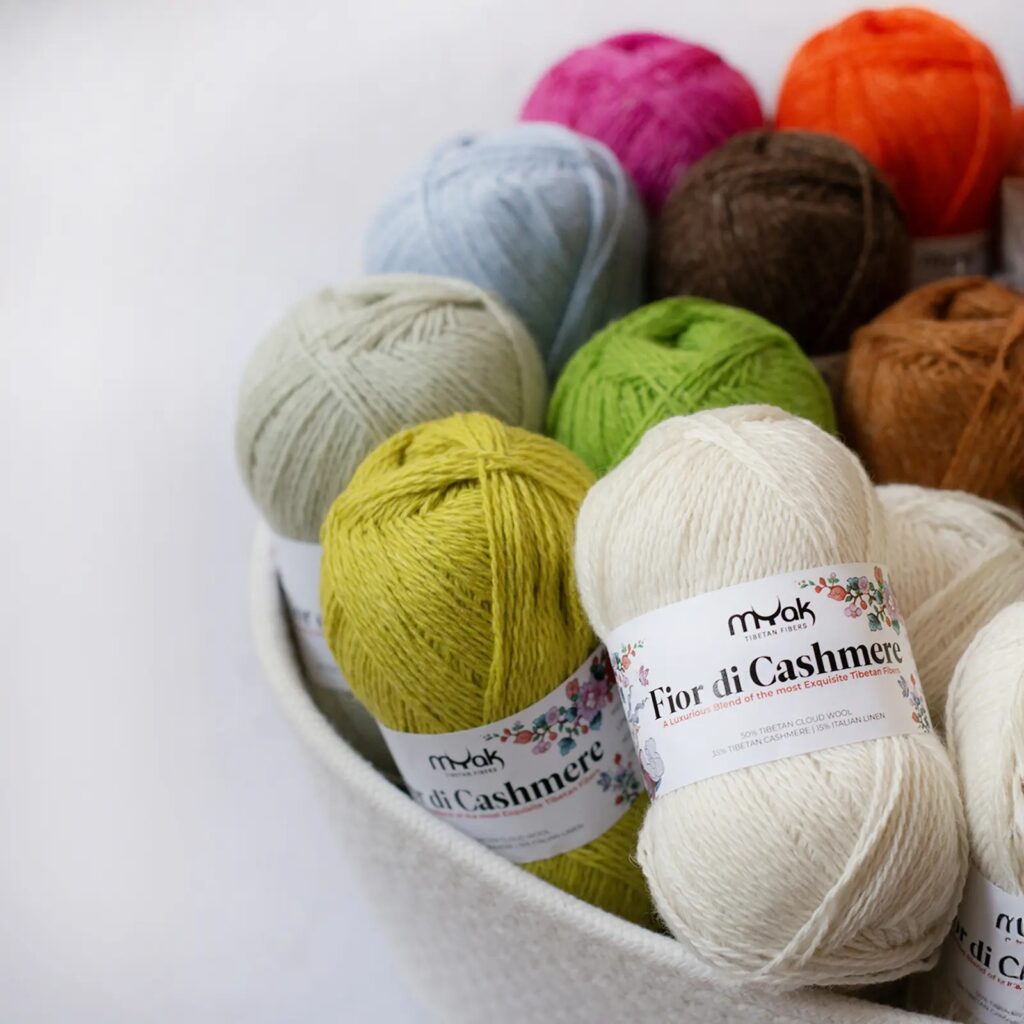
Why cashmere is valued in quality knitwear
- Extremely soft hand feel
- Light yet warm
- Refined drape
- Strong luxury perception
- Premium customer appeal
Why blends are often better than pure cashmere
Better durability
The garment surface often stays more stable.
Better structure
The cardigan can hold its shape more reliably.
Better commercial balance
The product becomes more scalable for wider premium markets.
Cashmere guide
| Cashmere direction | Typical quality role |
|---|---|
| Pure cashmere | Luxury softness focus |
| Cashmere-wool blend | Softer premium balance |
| Cashmere support blend | Better structure and longevity |
That is why many high-quality cardigans use cashmere, but often in blend form rather than as a pure-fiber solution.
Are wool blends better than pure wool in many cardigans?
In many commercial and premium programs, yes. A pure wool cardigan can be excellent, but a well-designed wool blend often gives better balance in softness, cost, shape, and wear performance.
Yes, wool blends are often better than pure wool in many quality cardigans because they can combine warmth and natural comfort with improved structure, lower pilling risk, better softness balance, or more accessible pricing. A strong wool blend is often one of the most effective solutions in real cardigan development.
For example, a wool-nylon blend can improve durability. A wool-cashmere blend can improve softness. A wool-cotton blend can shift the product toward lighter trans-seasonal use. The best answer depends on the market, the climate, and the intended silhouette.
At Fusionknits, wool blends are often preferred because they allow more control across different product goals without sacrificing the value of wool as a base fiber.
Why wool blends work so well
- Better softness control
- Better cost-performance balance
- Better structural stability
- Better seasonality adjustment
- More flexibility in final hand feel
Why pure wool is not always the only quality answer
Product goals vary
A winter cardigan and a spring cardigan do not need the same material logic.
Blends reduce extremes
The product becomes easier to wear and easier to position commercially.
Quality is about performance, not purity alone
A strong blend may outperform a weak pure-fiber cardigan.
Wool blend guide
| Blend type | Main benefit |
|---|---|
| Wool-nylon | Better strength and recovery |
| Wool-cashmere | Better softness |
| Wool-cotton | Lighter wearability |
| Wool-acrylic quality blend | Practical commercial balance |
That is why many good quality cardigans are built from better blends rather than from purity alone.
What role do engineered blends play in good cardigan quality?
Not every quality cardigan needs to be made from luxury fiber only. Many strong cardigans in the market use engineered blends that combine natural and support fibers for a better total result.
Engineered blends play an important role in good cardigan quality because they can improve shape retention, durability, pilling resistance, softness balance, and cost control at the same time. A cardigan made from a well-developed blend can be better in real-life performance than one made from a weaker pure fiber.
For example, cotton-acrylic blends can work well when developed carefully for daily knitwear. Viscose-nylon blends can create smoother drape. Merino-nylon can support stronger recovery. The key is not simply that a blend exists, but that the blend has a clear purpose.
At Fusionknits, good quality engineered blends are used when the product needs specific performance targets, not as a shortcut.
What engineered blends can improve
- Recovery and shape retention
- Surface stability
- Softness balance
- Weight control
- Cost-performance ratio
- Seasonal versatility
Why blend quality matters more than blend label
Some blends are engineered well
These support the garment’s actual use.
Some blends are only cost-driven
These may weaken the long-term product result.
The ratio and yarn quality matter
A blend is only as good as its development logic.
Engineered-blend overview
| Blend direction | Quality purpose |
|---|---|
| Cotton-acrylic | Daily wear practicality |
| Viscose-nylon | Smooth drape and support |
| Merino-nylon | Refinement plus resilience |
| Cashmere blend | Softness plus better balance |
That is why a strong cardigan can come from a pure fiber or from a smart engineered blend, depending on the product goal.
What materials usually weaken cardigan quality?
Knowing what good cardigans are made of also means understanding what often causes weak performance. Lower material quality usually shows up in the form of pilling, stretching, weak recovery, roughness, or early visual aging.
Cardigan quality is often weakened by low-grade acrylics, short-staple cotton, loosely spun fuzzy yarns, weak synthetic-rich blends, or materials chosen only for low cost without enough control over stability, softness, or surface performance. These materials may look acceptable in early sampling but often lose quality quickly in wear.
A very soft low-cost cardigan can still disappoint if the surface pills fast or the body loses shape. That is why product evaluation should go beyond first-touch softness and include long-term surface behavior.
At Fusionknits, material review always includes pilling risk, yarn stability, and recovery performance, not only price or initial appearance.
Materials or directions that often weaken cardigan quality
- Short-staple cotton with weak spinning
- Low-grade acrylic-rich blends
- Fuzzy low-twist yarns
- Unstable loose knits
- Very soft but weakly supported luxury surfaces
Why these materials underperform
Surface stability is lower
Loose fibers create faster wear problems.
Shape retention is weaker
The cardigan may stretch or collapse too easily.
Long-term appearance drops faster
Customers often notice pills and dullness before other problems.
Lower-performance guide
| Material issue | Common result |
|---|---|
| Weak yarn cohesion | More pilling |
| Short-staple fiber | Rougher and less stable surface |
| Low-grade blend | Weaker long-term wear |
| Uncontrolled softness | Better first touch, weaker durability |
That is why quality cardigan development depends as much on what to avoid as on what to select.
How should buyers judge whether a cardigan material is truly good quality?
Many buyers look first at the fiber label, but quality requires a deeper review. A strong material choice is never just a name. It is a fiber system supported by construction and finishing.
Buyers should judge cardigan material quality by reviewing fiber type, staple length, yarn compactness, softness, recovery, pilling resistance, knit density, and final garment finish. The best quality cardigan material is the one that fits the product purpose while maintaining comfort, structure, and long-term appearance.
At Fusionknits, the strongest cardigan reviews usually combine material analysis with garment analysis. A better yarn still needs the right gauge. A better fiber still needs the right finish. A premium blend still needs the right silhouette support.
Better questions buyers should ask
- What is the exact fiber composition?
- Is the yarn compact and stable?
- Does the surface feel clean or overly fuzzy?
- How well does the cardigan recover after stretching?
- How likely is it to pill?
- Does the material fit the intended season and price point?
Why this matters in sourcing
Quality is a system
The fiber should not be judged in isolation.
Product purpose should lead the choice
Not every good cardigan needs the same material.
Better review reduces costly mistakes
Weak material decisions usually appear later as complaints.
Buyer evaluation guide
| Review point | Why it matters |
|---|---|
| Fiber direction | Defines basic quality path |
| Yarn stability | Affects surface performance |
| Recovery | Affects wearability |
| Finish quality | Affects final hand feel and look |
| Market fit | Affects real product success |
That is how buyers can judge cardigan material more professionally and more accurately.
This is one of the most important product truths in knitwear. Good cardigan quality is rarely the result of one premium word on a label. It usually comes from a full set of correct technical choices.
The best quality cardigans are usually built through full material engineering because fiber, yarn, gauge, stitch, finishing, and fit all work together to determine the final result. A premium fiber label can help, but a cardigan only becomes truly high quality when the whole product system is well developed.
A long-staple cotton cardigan with strong spinning and a clean finish may outperform a weak luxury blend in real wear. A fine merino cardigan with excellent recovery may create more value than a softer-looking but less stable fuzzy knit. That is why true cardigan quality always comes from total execution.
At Fusionknits, material engineering is treated as the foundation of long-term product value. Good cardigans are not built through fiber reputation alone. They are built through technical consistency from raw fiber to final finish.
Conclusion
Good quality cardigans are usually made of stronger fibers and better yarn systems such as long-staple cotton, fine merino wool, cashmere blends, quality wool blends, and well-engineered mixed yarns that support softness, durability, shape retention, and surface stability. Cotton is excellent for lighter and trans-seasonal cardigans. Merino is one of the strongest refined knitwear fibers. Cashmere and cashmere blends add premium softness. Wool blends often deliver better commercial balance than pure wool alone. In many cases, engineered blends are also part of high-quality cardigan development when they improve recovery, durability, and wear performance.
At Fusionknits, the best quality cardigan is never defined by one fiber label only. It is created through a full material system that includes the right raw fiber, the right yarn construction, the right knit structure, and the right finishing control.
When these elements are aligned properly, the cardigan feels better in hand, wears better over time, and delivers stronger value in both product performance and market positioning.