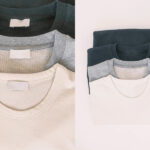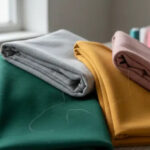
Many people buy sleepwear without a real plan. Then they end up with too few pajamas to rotate comfortably, or too many pieces they barely wear. The right number is not only about preference. It also depends on washing habits, climate, fabric type, and how sleepwear fits into daily life.
Most people should own around 3 to 7 pajama sets, depending on how often they do laundry, how much they sweat at night, the season, and whether they use different sleepwear for summer and winter. A smaller number can work for very simple routines, while a larger rotation is usually better for comfort, hygiene, and fabric longevity.
At Fusionknits, we see pajamas as a practical product category, not only a soft lifestyle purchase. Good sleepwear should support clean rotation, seasonal comfort, and repeated washing without forcing the customer into constant laundry pressure. That is why the best answer is not one fixed number for everyone. It is the number that fits real wear patterns and real home routines.
Why Is There No One Perfect Number of Pajama Sets?
The question sounds simple, but sleepwear needs are highly personal. One person may wash clothes every two days. Another may do one large wash each week. One person sleeps cool. Another person sweats heavily every night.
There is no one perfect number of pajama sets because pajama needs depend on laundry schedule, climate, sleeping habits, fabric choice, and lifestyle. The right number should support clean rotation without creating stress, overuse, or unnecessary buying.
Pajamas are not like outerwear. They sit close to the skin, absorb sweat and body oils, and usually need more frequent washing than general casualwear. That means quantity should be decided by wear frequency and care routine, not just by what looks nice in a drawer.
At Fusionknits, the strongest sleepwear planning always starts with function. Customers should not ask only how many sets look nice to own. They should ask how many sets support clean, comfortable, repeated sleep use.
Why pajama quantity varies so much
- Laundry habits are different
- Sleep temperature is different
- Some people use seasonal sleepwear
- Some wear pajamas only for sleep
- Others lounge in them for hours
- Fabric care needs are not the same
Why this matters in real wardrobe planning
Sleepwear is a hygiene category
Pajamas need more regular rotation than many people first assume.
Comfort changes by season
A flannel winter set and a lightweight summer set do not solve the same problem.
Daily routine affects wear pressure
A short bedtime-only routine and an all-evening lounge routine create very different laundry demand.
| Lifestyle factor | Effect on pajama quantity |
|---|---|
| Frequent laundry | Fewer sets may work |
| Weekly laundry | More sets are usually needed |
| Hot sleeper | Faster rotation |
| Seasonal climate | More variation required |
How Many Pajama Sets Does the Average Person Usually Need?
For most people, the answer sits in the middle. They do not need a huge wardrobe, but they usually need more than one or two sets if they want comfort and hygiene without constant washing.
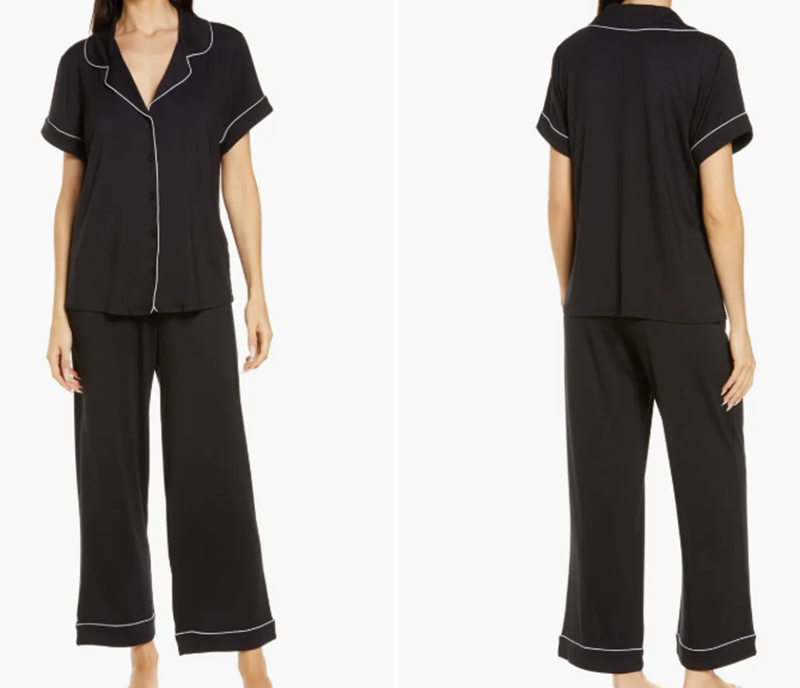
The average person usually needs about 3 to 5 pajama sets as a practical minimum, and often 5 to 7 sets for a more comfortable rotation. This gives enough flexibility for washing, seasonal changes, and backup use without creating excess.
A three-set system can work if laundry is frequent and the person has stable sleep habits. A five-set system is often more relaxed and easier to manage. Seven sets can make sense for those who prefer a full weekly rotation, live in hot climates, or use pajamas for both sleep and lounging.
At Fusionknits, this range is often the most realistic because it supports repeated wear without overloading the customer with unnecessary product volume.
A useful average range
- 3 sets for simple low-volume use
- 4 to 5 sets for balanced everyday rotation
- 6 to 7 sets for full weekly flexibility
Why 3 to 7 sets is often the strongest answer
It supports washing cycles
Most households do not wash sleepwear every day.
It reduces overuse of one favorite set
Better rotation usually protects fabric life.
It allows comfort across the week
The customer always has a clean option ready.
| Number of sets | Best use case |
|---|---|
| 2 to 3 | Minimal routine |
| 4 to 5 | Balanced average wardrobe |
| 6 to 7 | Weekly full rotation |
Is 3 Pajama Sets Enough?
For some people, yes. For others, it will feel too limited. Three sets can work well in a disciplined and simple routine, but there is little room for delay, travel, or extra wear.
Yes, 3 pajama sets can be enough if you do laundry regularly, do not sweat heavily at night, and do not wear your pajamas for long periods outside sleep. However, this number is usually a functional minimum rather than the most comfortable long-term rotation.
A three-set wardrobe usually works best when one set is being worn, one is clean and ready, and one is in the wash cycle or waiting. That structure can work, but it leaves less flexibility if a wash is delayed or if the weather changes suddenly.
At Fusionknits, three sets is usually enough for minimal wardrobe users, but it is not always the most comfortable number for broader daily life.
When 3 sets can work well
- Laundry is done often
- The sleeper does not sweat much
- Pajamas are worn only at night
- Climate is stable
- The wardrobe is highly minimal
When 3 sets may feel too few
Weekly laundry routine
The cycle may feel too tight.
Hot sleepers
The garments may need washing faster.
Seasonal variation
Three sets may not cover both warm and cool conditions well.
| Situation | Is 3 sets enough? |
|---|---|
| Frequent laundry and low sweat | Often yes |
| Weekly laundry and hot sleeping | Often no |
| Minimal lifestyle | Usually yes |
| Seasonal sleepwear use | Sometimes not |
Is 5 Pajama Sets a Better Number for Most People?
In many cases, yes. Five sets often give the strongest balance between practicality and comfort. It is enough to support washing delays, seasonal variation, and personal preference without feeling excessive.
Yes, 5 pajama sets is often a better number for most people because it gives a cleaner and more flexible rotation than 2 or 3 sets. It supports repeated use, weekly laundry, and basic seasonal or fabric variety without creating unnecessary excess.
Five sets often means the person can have a more relaxed routine. There is less pressure to wash immediately, and there is more space for one or two preferred seasonal fabrics. That makes it one of the most realistic numbers for people who want a comfortable but controlled sleepwear wardrobe.
At Fusionknits, five sets is often one of the most practical recommendations because it works well across many household routines.
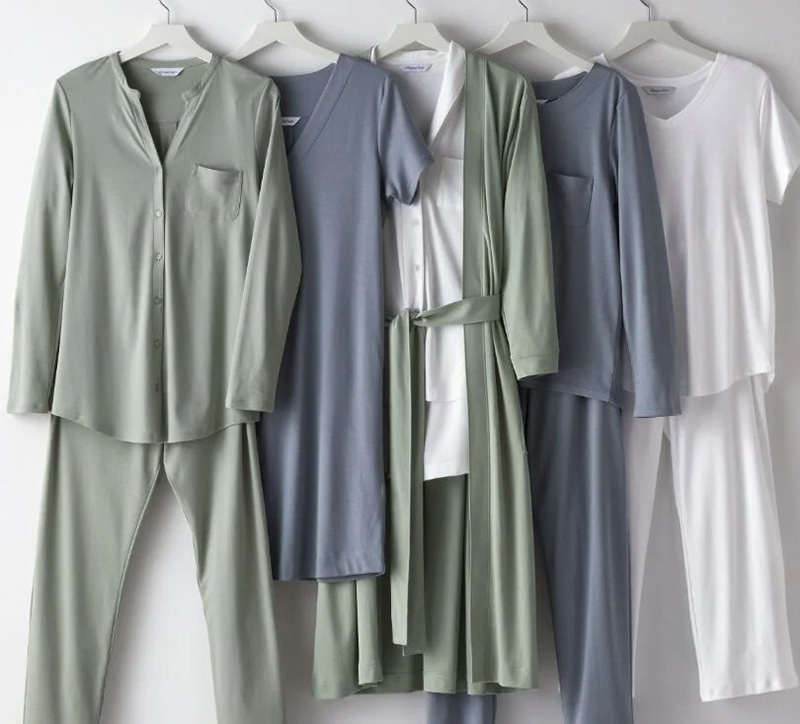
Why 5 sets works so well
- Easier weekly rotation
- Better backup when one set is unavailable
- Allows lighter and warmer options
- Reduces over-washing of one favorite set
- Feels balanced instead of excessive
A possible 5-set breakdown
2 lightweight sets
Useful in warm conditions.
2 all-season sets
Useful as core rotation pieces.
1 warmer set
Useful in cooler months or colder rooms.
| 5-set structure | Why it helps |
|---|---|
| Lightweight options | Better summer comfort |
| All-season options | Daily flexibility |
| Warm option | Better seasonal coverage |
Should You Own Different Pajamas for Summer and Winter?
In many climates, yes. Sleepwear works best when it matches temperature conditions. One all-year pajama collection can work in some environments, but many people sleep more comfortably with seasonal options.
Yes, many people should own different pajamas for summer and winter because temperature changes affect sleep comfort, fabric performance, and washing frequency. Lightweight breathable sets work better in warmer conditions, while fleece, flannel, or heavier knit sets work better in colder months.
Summer sleepwear often needs breathability and lower weight. Winter sleepwear often needs warmth and softness. If a person tries to use the same set year-round in a strongly seasonal climate, sleep comfort may drop quickly.
At Fusionknits, seasonal sleepwear planning is important because fabric choice changes the full product experience. A strong pajama wardrobe does not need huge quantity, but it often benefits from seasonal adjustment.
Useful seasonal pajama splits
- Short-sleeve and short sets for summer
- Lightweight cotton or modal sets for warm nights
- Long-sleeve jersey sets for transitional weather
- Flannel or fleece sets for colder months
Why seasonal planning matters
Sleep comfort changes with climate
The wrong pajama fabric can make sleep feel too hot or too cold.
Fabric stress changes too
Heavier winter fabrics and lighter summer fabrics do not wash or wear the same way.
Seasonal rotation increases product life
Each set gets used in the right context instead of being forced year-round.
| Season | Better pajama type |
|---|---|
| Summer | Lightweight breathable sets |
| Spring/Autumn | Midweight cotton or jersey |
| Winter | Flannel, fleece, or warmer knit sets |
How Does Laundry Routine Affect How Many Pajamas You Need?
Laundry rhythm is one of the biggest deciding factors. Two people with the same climate and the same fabric preferences may still need different pajama quantities simply because their washing schedule is different.

Laundry routine strongly affects how many pajamas you need because the longer you wait between washes, the larger your clean rotation needs to be. Frequent washing allows a smaller pajama wardrobe, while weekly or irregular washing usually requires more sets.
Someone who washes twice a week may feel comfortable with fewer pajama sets. Someone who does one household wash every weekend often needs more flexibility. The same is true for travel, family households, and climates where drying takes longer.
At Fusionknits, we see pajama quantity as a rotation problem as much as a fashion problem. The right number supports the real laundry system at home.
Laundry patterns that affect pajama quantity
- Daily or near-daily washing
- Twice-weekly laundry
- Weekly laundry
- Delayed washing due to travel or family routines
- Slow drying conditions
Why laundry schedule matters so much
Sleepwear needs regular cleaning
The closer the garment sits to the skin, the more rotation matters.
One missed wash changes the whole week
A small wardrobe feels much smaller when laundry is delayed.
Fabric drying time matters
Heavier winter fabrics may take longer to wash and dry comfortably.
| Laundry routine | Suggested pajama quantity |
|---|---|
| Very frequent washing | 2 to 4 sets |
| Balanced weekly routine | 4 to 6 sets |
| Delayed or irregular washing | 5 to 7 sets |
Do Hot Sleepers Need More Pajamas?
Usually yes. A person who sweats more at night usually needs faster rotation. That does not always mean a huge wardrobe, but it often means the number should be higher than the minimum.
Yes, hot sleepers usually need more pajamas because the garments often need washing more frequently. If sleepwear absorbs more sweat each night, the practical number of needed sets increases, especially in warm climates or during summer.
This is not only about hygiene. It is also about comfort. Sleepwear that feels damp, stale, or heat-heavy often reduces the whole value of bedtime clothing. Hot sleepers usually benefit from lighter fabrics and a more generous rotation.
At Fusionknits, this is one reason lightweight cotton, modal, and breathable blends remain so important in sleepwear programs.
Why hot sleepers need stronger pajama rotation
- Pajamas absorb more sweat
- Freshness drops faster
- Summer use becomes more demanding
- Wash frequency usually increases
- Fabric fatigue can increase with repeated laundering
Helpful setup for hot sleepers
More lightweight sets
Breathable fabrics rotate more effectively.
Faster wash cycle
The wardrobe stays cleaner and more comfortable.
Clear seasonal split
Summer sleepwear should not depend on heavy all-season sets.
| Sleeper type | Pajama need |
|---|---|
| Cool sleeper | Lower rotation pressure |
| Average sleeper | Medium rotation need |
| Hot sleeper | Higher rotation need |
Is It Better to Own Fewer High-Quality Pajamas or More Basic Ones?
This depends on budget, but in many cases, better-quality pajamas offer stronger long-term value. Sleepwear is a direct-contact category, so comfort and wash durability matter more than in many other apparel groups.
It is usually better to own a moderate number of higher-quality pajamas than a large number of weak basic ones. Better fabrics, better stitching, and better shape retention often create more comfort and longer product life, especially when the pajamas are worn often and washed regularly.
A weak low-cost pajama set may look acceptable at first, but it can lose softness, twist, shrink, or pill after repeated washing. A smaller group of stronger products often creates a more satisfying wardrobe and a better sleep experience.
At Fusionknits, we believe sleepwear should be evaluated by repeated comfort, not just by first-touch softness or low entry price.
Why quality often wins in pajamas
- Better hand feel over time
- Better wash performance
- Better seam stability
- Better fabric recovery
- Better long-term comfort
A smarter wardrobe balance
Fewer but stronger sets
This often improves comfort and reduces waste.
Core neutral rotation
Easy, dependable sets usually get worn most often.
Seasonal quality pieces
One or two stronger winter or summer sets often outperform multiple weak alternatives.
| Wardrobe strategy | Typical result |
|---|---|
| Many cheap sets | More volume, lower long-term value |
| Moderate quality rotation | Better repeat comfort |
| Small premium wardrobe | Strong feel, but less flexibility |
What Is a Good Pajama Wardrobe Plan for Different Lifestyles?
This is usually the most practical way to answer the full question. Different routines need different sleepwear numbers.
A good pajama wardrobe plan depends on lifestyle. Minimal users may do well with 3 sets, average users often do best with 5 sets, and those who want full weekly rotation or seasonal separation often benefit from 6 to 7 sets. The strongest plan balances climate, wash schedule, and personal comfort.
At Fusionknits, product planning always improves when the category is matched to real-life use. Pajama ownership should work the same way.
A simple pajama ownership plan
- 3 sets: minimal and disciplined
- 4 to 5 sets: balanced and practical
- 6 to 7 sets: full weekly and seasonal flexibility
Example wardrobe structures
Minimal setup
2 all-season sets + 1 backup set
Balanced setup
2 lightweight sets + 2 all-season sets + 1 warm set
Full flexible setup
2 summer sets + 2 all-season sets + 2 winter sets + 1 spare set
| Lifestyle type | Suggested pajama setup |
|---|---|
| Minimal | 3 sets |
| Average | 4 to 5 sets |
| Seasonal and comfort-focused | 6 to 7 sets |
How Should Brands Think About Pajama Quantity When Designing Collections?
This question also matters for brands. Customers often buy sleepwear in practical numbers, so assortment planning should support real wardrobe behavior instead of random style variety.
Brands should think about pajama quantity in terms of customer rotation needs. A strong sleepwear collection should offer core repeat-wear sets, seasonal variation, and enough fabric and silhouette range for customers to build a practical wardrobe rather than make a one-time purchase only.
At Fusionknits, the strongest pajama collections often include a few core everyday sets, a lighter seasonal option, and one warmer or more premium option. This gives the customer a reason to come back and build a fuller sleepwear wardrobe over time.
Better collection planning ideas
- Core cotton or jersey sets
- Lightweight summer options
- Warmer winter sets
- Premium modal or soft knit upgrade lines
- Stable neutral color rotation
Why this helps brands
It supports repeat purchase
Customers often need more than one type of pajama.
It builds category trust
The brand feels more complete and useful.
It creates better product logic
The assortment reflects real sleep routines.
| Collection element | Why it matters |
|---|---|
| Core basics | Repeat-purchase foundation |
| Seasonal options | Better climate relevance |
| Premium option | Better value ladder |
| Clear fabric range | Better category depth |
Conclusion
Most people should own about 3 to 7 pajama sets, depending on how often they wash clothes, how much they sweat, whether they use different sleepwear for summer and winter, and how long they wear pajamas outside sleep. Three sets can work as a simple minimum for disciplined users with frequent laundry. Five sets is often the most practical balance for average households. Six or seven sets make the most sense for those who prefer a full weekly rotation, live in changing climates, or want more seasonal flexibility.
At Fusionknits, the best pajama wardrobe is not the biggest one. It is the one that supports clean rotation, better sleep comfort, and repeated wear without unnecessary stress.
Sleepwear should feel fresh, easy, and consistent. That usually comes from owning enough pieces to rotate properly, not from overbuying or underplanning. When quantity matches lifestyle, pajamas become more comfortable to use, easier to care for, and more valuable over time.