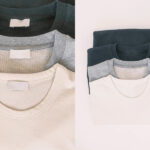
Many sweatshirts look soft when they are folded on a shelf. That does not mean they are truly high quality. A weak sweatshirt may feel nice for one minute and then lose shape, pill, twist, or shrink after a few washes. This is why material matters so much. The fabric does not only decide comfort. It also decides how long the sweatshirt can keep its value.
At Fusionknits, we believe high-quality sweatshirts are usually made of cotton-rich fleece, French terry, loopback cotton, compact knit sweatshirt fabrics, and selected cotton-poly blends with strong structure and recovery. The best high-quality sweatshirt materials combine softness, stability, breathability, surface quality, and long-term wash performance rather than only a soft first touch.
We do not judge sweatshirt quality by fiber label alone. A high-quality sweatshirt is made from the right material system. That means fiber content, knit structure, weight, finishing, and garment construction all need to work together. A premium sweatshirt should feel good in the hand, but it should also stay attractive in real life.
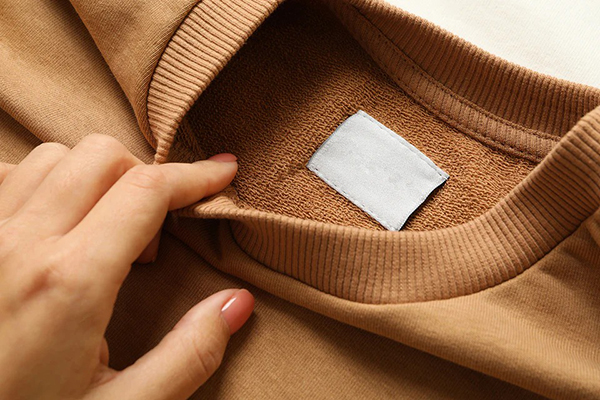
Why does material matter so much in a high-quality sweatshirt?
A sweatshirt is a comfort product, but it is also a repeat-wear product. That means the material must do more than feel soft once. It must support comfort, shape, and durability over time.
Material matters so much in a high-quality sweatshirt because it controls softness, warmth, drape, recovery, pilling resistance, shrinkage, and how the garment performs after repeated washing. A weak material can make even a well-designed sweatshirt feel average very quickly.
At Fusionknits, we usually say the fabric is the real foundation of the sweatshirt. The neckline, cuff, hem, and silhouette all depend on the material behaving correctly. If the fabric is unstable, the whole product becomes weaker. That is why material selection is one of the first serious quality decisions in sweatshirt development.
Why material affects the whole garment
- It controls the first hand feel
- It shapes warmth and breathability
- It affects recovery after wear
- It influences how much the surface pills
- It decides how the garment reacts to washing
Why this matters for brands
A sweatshirt is judged by comfort and trust
Customers expect it to feel easy and reliable, not only trendy.
The same pattern can feel cheap or excellent depending on the fabric choice.
| Material role | Why it matters |
|---|---|
| Softness | Affects first impression |
| Recovery | Protects long-term fit |
| Surface quality | Affects premium appearance |
| Wash stability | Protects repeat wear value |
Is cotton the main material in high-quality sweatshirts?
Yes, in many premium and comfort-led categories, cotton is still one of the main materials in high-quality sweatshirts. It remains highly valued because it feels natural, breathable, and familiar.

Yes, cotton is one of the main materials used in high-quality sweatshirts because it offers natural softness, better skin comfort, and a more authentic casualwear feel. Cotton-rich sweatshirts are especially strong in premium basics, loungewear, and lifestyle apparel.
At Fusionknits, cotton remains one of the most trusted sweatshirt fibers because it aligns well with what customers expect from the category. A sweatshirt should feel relaxed and comfortable. Cotton supports that feeling naturally. But the type of cotton fabric still matters greatly. Not all cotton sweatshirts perform at the same level.
Why cotton stays so important
- Natural hand feel
- Better comfort against the skin
- Good breathability
- Strong fit with premium casualwear
- Better emotional comfort value
Why cotton alone is not enough
Fiber content is only one part of quality
A weak cotton sweatshirt can still shrink, twist, or feel unstable.
Knit quality matters too
Cotton fleece, French terry, and loopback cotton do not create the same result.
| Cotton role | Product benefit |
|---|---|
| Natural softness | Better everyday comfort |
| Familiar feel | Easier customer trust |
| Breathability | Better casual wear experience |
Are high-quality sweatshirts usually made of fleece?
In many cases, yes. But the word fleece must be understood correctly. High-quality fleece is not the same as cheap fleece. The difference comes from yarn quality, knit density, brushing, and finishing control.
High-quality sweatshirts are often made of brushed fleece because it provides softness, warmth, and the cozy inside feel many customers expect. Premium fleece sweatshirts usually use better cotton-rich or balanced blend constructions with stronger density and cleaner brushing.
At Fusionknits, fleece remains one of the strongest materials for classic sweatshirts because it gives the category its most familiar comfort identity. But good fleece should not feel loose, fuzzy in the wrong way, or weak after one wash. Premium fleece feels plush, stable, and professionally finished.
Why fleece is so common in better sweatshirts
- Soft brushed interior
- Strong warmth value
- Familiar sweatshirt comfort
- Good fit with winter and lounge categories
- Strong commercial appeal
Better brushing
The inside should feel soft without becoming unstable.
Better density
The body should hold shape instead of collapsing too easily.
| Fleece direction | Quality result |
|---|---|
| Premium cotton-rich fleece | Soft and stable |
| Balanced fleece blend | Soft with better recovery |
| Weak low-density fleece | Less durable and less premium |
Is French terry a high-quality sweatshirt material too?
Yes, absolutely. French terry is one of the strongest materials for buyers who want a cleaner, more breathable, and more versatile sweatshirt. It may feel less plush than fleece, but it often feels more refined.
Yes, French terry is a high-quality sweatshirt material because it offers balanced softness, moderate weight, better breathability, and cleaner structure than brushed fleece. It is especially strong in all-season sweatshirts, travelwear, and premium basics.
At Fusionknits, French terry is one of our preferred sweatshirt materials when the product needs to feel versatile and elevated. It works well for customers who want comfort without too much bulk. It also supports cleaner silhouettes and broader seasonal use.
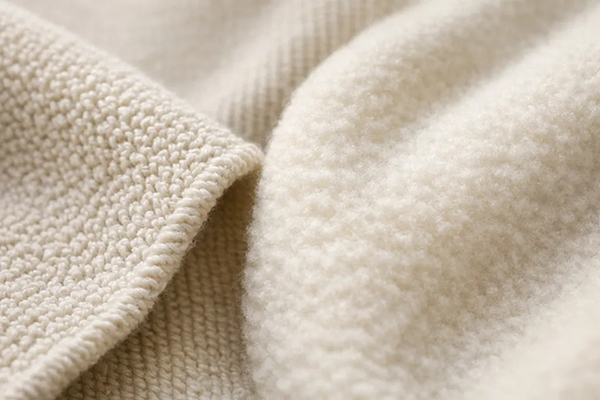
Why French terry works so well
- More breathable than fleece
- Strong all-season potential
- Cleaner inside structure
- Better support for refined casualwear
- Good fit with premium basics
When French terry may be the better answer
For year-round wear
It feels less season-limited than a heavy fleece sweatshirt.
For cleaner product identity
It supports a more polished casual look.
| Fabric type | Best use |
|---|---|
| French terry | All-season premium sweatshirt |
| Heavy terry | Structured heavyweight sweatshirt |
| Brushed fleece | Cozy winter sweatshirt |
Loopback cotton is a more refined sweatshirt material direction. It usually feels denser, cleaner, and more substantial than average fleece, especially in premium casualwear.
Loopback cotton is a sweatshirt fabric with visible looped yarns on the inside instead of a brushed plush finish. It is used in premium sweatshirts because it offers stronger structure, cleaner texture, better breathability, and a more elevated casualwear identity.
At Fusionknits, loopback cotton is especially useful in premium basics and structured oversized sweatshirts. It creates a more mature sweatshirt look. It often feels less soft in a fluffy way than fleece, but more premium in a fabric-quality way.
Why loopback cotton feels more elevated
- Denser body
- Cleaner internal structure
- Better shape support
- More refined visual identity
- Strong premium-basic value
Why brands choose it
The sweatshirt holds shape more confidently.
It feels more controlled
The material reads as intentional, not only cozy.
| Material type | Main effect |
|---|---|
| Loopback cotton | Refined premium structure |
| Brushed fleece | Plush comfort softness |
| French terry | Clean everyday versatility |
Are cotton-poly blends used in high-quality sweatshirts too?
Yes. A blend does not automatically mean lower quality. In many categories, especially broader commercial or durability-led categories, cotton-poly blends are a very smart quality choice.

Yes, high-quality sweatshirts can also be made from cotton-poly blends, especially when the goal is better shape retention, lower shrink risk, stronger durability, and more reliable wash performance. A strong blend can be an excellent material when developed correctly.
At Fusionknits, we often use cotton-poly blends when the sweatshirt needs better stability over time. This is especially useful in uniforms, commercial basics, schoolwear, and high-volume casualwear. A premium blend can still feel soft while offering more practical long-term performance.
Why blends are common in strong sweatshirts
- Better recovery
- Better wash stability
- Lower shrink risk
- Stronger broad-market durability
- Easier care performance
Why blends are often misunderstood
Blend does not mean cheap by default
The result depends on quality level, knit structure, and finishing.
Product role matters
A commercial sweatshirt may perform better in a blend than in weak pure cotton.
| Blend benefit | Product result |
|---|---|
| Better shape retention | Cleaner long-term fit |
| Better stability | Less distortion after wash |
| Better durability | Stronger repeat-use value |
Material is not only about fiber content. The knit structure and finishing processes often separate average sweatshirts from strong ones. Two garments can both say cotton-rich fleece and still feel completely different.
High-quality sweatshirts feel premium when the knit is dense, the surface is stable, the inside finish is controlled, and the fabric has good recovery and low unwanted fuzz. Better finishing such as controlled brushing, softening, compacting, and wash treatment often makes a huge difference.
At Fusionknits, premium material usually shows itself through consistency. The face should look cleaner. The inside should feel controlled. The garment should feel balanced, not rough or unstable. These quality signals come from fabric development, not from marketing language alone.
Material details that improve sweatshirt quality
- Dense knit construction
- Better yarn quality
- Controlled brushing
- Better softening and compacting
- Lower loose-fiber release
- Better shrinkage management
Why finishing matters so much
First-touch softness depends on it
The customer feels finishing immediately.
Long-term quality depends on it too
Poor finishing often leads to faster aging.
| Finishing factor | Quality effect |
|---|---|
| Better brushing | More plush comfort |
| Compacting | Better shape stability |
| Softening | Better hand feel |
| Surface control | Cleaner appearance |
What materials should buyers be careful with in sweatshirts?
The biggest risks usually come from weak materials, not from one specific fiber name alone. A sweatshirt becomes risky when the fabric is too loose, too thin for the category, or poorly finished.
Buyers should be careful with low-density fleece, weak lightweight knits, unstable brushed fabrics, and poorly finished materials that pill, stretch out, or lose shape quickly. A material can sound acceptable on paper and still perform poorly in real use if the knit and finishing are weak.
At Fusionknits, we usually warn buyers against choosing sweatshirt materials only by softness or price. A weak fabric can create problems in wash testing, bulk production, and customer satisfaction very quickly.
Common material warning signs
- Too much loose surface fuzz
- Weak body structure
- Low recovery
- Poor rib compatibility
- High shrink risk
- Rough or dry hand feel after wash
Why these warning signs matter
Sweatshirts are repeat-use products
Any weakness becomes visible quickly.
Material problems damage brand trust
A disappointing sweatshirt is hard to recover commercially.
| Warning sign | Likely risk |
|---|---|
| Weak knit body | Shape loss |
| Excess fuzz | Faster pilling |
| Poor recovery | Loose cuffs and body |
So what are high-quality sweatshirts made of?
The strongest answer is not one fiber only. High-quality sweatshirts are usually made from well-developed material systems that match the product role clearly.
At Fusionknits, high-quality sweatshirts are usually made of cotton-rich fleece, French terry, loopback cotton, compact sweatshirt knits, and selected cotton-poly blends that offer strong softness, structure, recovery, and wash durability. The best materials are the ones that stay comfortable and stable, not only the ones that feel soft in the first minute.
Conclusion
High-quality sweatshirts are usually made of strong material systems such as cotton-rich fleece, French terry, loopback cotton, compact knit fabrics, and well-developed cotton-poly blends. Cotton remains important because it gives natural softness and better everyday comfort. Brushed fleece remains one of the best materials for warmth and plush softness.
French terry remains one of the best for year-round versatility and cleaner structure. Loopback cotton is especially strong in premium sweatshirts because it supports refined shape and better material presence. Blends also matter because they often improve durability, recovery, and wash performance.
At Fusionknits, we believe a high-quality sweatshirt is never defined by one label alone. It is defined by the right combination of fiber, knit structure, finishing, and garment construction. When those elements work together, the sweatshirt feels better, wears better, and holds value much longer. That is what truly makes the material high quality.