Many consumers assume all running shorts are similar, but pricing differences usually reflect fabric quality, construction methods, compression liners performance, durability, and brand positioning. Cheap running shorts may look similar online, but often fail in comfort, fit stability, or long-term wear performance.
Good running shorts usually cost between $25 and $80 depending on fabric technology, liner construction, brand positioning, durability, and performance features. Premium running shorts with technical fabrics and advanced construction may cost even more.
At Fusionknits, running shorts manufacturing focuses heavily on lightweight fabrics, four-way stretch recovery, moisture management, and fit engineering. Product pricing is closely connected to material quality, garment complexity, and technical performance.
Why Do Running Shorts Prices Vary So Much?
Not all running shorts use the same materials or construction methods.
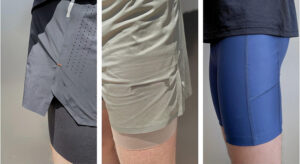
Running shorts prices vary because of differences in fabric quality, liner systems, technical features, manufacturing complexity, and brand positioning.
Performance apparel requires specialized development.
Fabric Quality Strongly Affects Cost
Premium running shorts often use:
- Lightweight woven fabrics
- Four-way stretch materials
- Moisture-wicking textiles
- Abrasion-resistant fibers
Higher-performance fabrics increase manufacturing cost.
Technical Construction Adds Complexity
Advanced running shorts may include:
- Compression liners
- Laser-cut ventilation
- Bonded seams
- Reflective details
These features require more advanced production processes.
Brand Positioning Influences Retail Pricing
Some brands charge higher prices because of:
- Marketing investment
- Athlete sponsorships
- Premium brand image
Retail price does not always directly reflect production cost.
Durability Improves Long-Term Value
Higher-quality running shorts usually provide:
- Better stretch recovery
- Stronger stitching
- Longer lifespan
Durability often justifies higher pricing.
At Fusionknits, fabric testing and construction quality are important factors in activewear product development.
What Is Considered A Cheap Pair Of Running Shorts?
Budget running shorts remain common in the market.

Cheap running shorts usually cost between $10 and $25 and often focus on basic lightweight construction without advanced technical features or premium materials.
These products target entry-level consumers.
Budget Shorts Usually Use Simpler Fabrics
Lower-cost shorts often use:
- Standard polyester fabrics
- Basic mesh lining
- Minimal stretch materials
This helps reduce production cost.
Construction Is Usually Simpler
Basic shorts often avoid:
- Compression liners
- Bonded seams
- Technical ventilation
Simpler construction improves manufacturing efficiency.
Durability May Be Lower
Low-cost products may experience:
- Faster fabric wear
- Shape loss
- Weak elastic recovery
Material quality strongly affects product lifespan.
Casual Runners May Still Prefer Them
For occasional workouts or short-distance running, basic shorts may still provide acceptable comfort.
What Makes Premium Running Shorts More Expensive?
Premium activewear products involve more advanced development.
Premium running shorts cost more because they use technical fabrics, advanced liner systems, lightweight construction, and performance-focused fit engineering.
Modern consumers increasingly expect better functionality.
Technical Fabrics Increase Material Cost
Premium fabrics often include:
| Fabric Feature | Benefit |
|---|---|
| Four-way stretch | Better mobility |
| Moisture-wicking | Sweat management |
| Quick-dry fibers | Faster evaporation |
| Polyester-spandex | Reduced bulk and stretch |
Advanced fabrics improve comfort during exercise.
Compression Liners Add Manufacturing Complexity
2 in 1 running shorts require:
- Additional pattern development
- More sewing operations
- Stretch liner construction
This raises labor and material costs.
Premium Finishing Improves Comfort
High-end products may use:
- Flatlock stitching
- Laser-cut hems
- Seam taping
- Soft-touch finishing
These details improve overall wear experience.
Product Testing Increases Development Cost
Professional activewear brands often test:
- Stretch recovery
- Wash durability
- Abrasion resistance
- Fit performance
Better testing improves long-term product quality.
Are Expensive Running Shorts Worth It?
The answer depends on activity level and product usage.
Expensive running shorts are often worth it for frequent runners because they provide better comfort, moisture management, durability, and long-term performance.
Serious runners usually notice quality differences more clearly.
Better Fabrics Improve Comfort
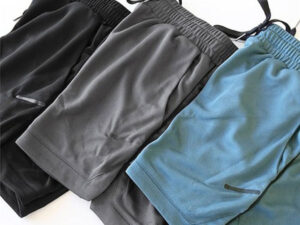
Premium fabrics often feel:
- Softer
- Lighter
- More breathable
Comfort becomes increasingly important during long workouts.
Stronger Construction Improves Longevity
Higher-quality shorts usually maintain:
- Elasticity
- Shape retention
- Stitch durability
This reduces replacement frequency.
Technical Features Improve Functionality
Premium running shorts may include:
- Hidden phone pockets
- Reflective trims
- Ventilation systems
- Anti-chafing liners
These details improve training experience.
Casual Users May Not Need Premium Products
For occasional use, mid-range shorts may provide enough performance without luxury pricing.
What Fabric Is Best For Running Shorts?
Fabric selection strongly affects both price and performance.
The best running shorts fabrics usually include polyester-spandex blends, nylon-spandex fabrics, and lightweight woven technical materials because they provide breathability, stretch, and moisture management.
Technical fabrics dominate modern activewear markets.
Polyester Is Widely Used
Polyester-spandex offers:
- Moisture-wicking performance
- Lightweight comfort
- Good durability
- Color stability
It remains one of the most common activewear materials.
Nylon Provides Softer Performance Feel
Nylon blends often create:
- Smoother texture
- Better stretch recovery
- Premium hand feel
Many premium running brands use nylon-spandex fabrics.
Spandex Improves Flexibility
Stretch fibers help improve:
- Mobility
- Comfort
- Shape retention
Modern running shorts usually contain 5–15% spandex.
Lightweight Weaving Improves Airflow
Technical woven fabrics reduce:
- Heat buildup
- Excess weight
- Moisture retention
Breathability is critical in performance apparel.
At Fusionknits, activewear fabric development focuses heavily on stretch recovery, lightweight comfort, and moisture management performance.
How Does Construction Affect Running Shorts Pricing?
Garment construction directly influences manufacturing cost.

Advanced running shorts construction increases pricing because it requires more technical sewing, precision pattern development, and additional labor.
Not all running shorts are equally complex.
Liner Systems Increase Cost
Integrated compression liners require:
- Extra fabric
- Additional sewing operations
- Technical fit adjustments
2 in 1 shorts usually cost more than simple running shorts.
Seam Construction Affects Comfort
Premium shorts often use:
- Flatlock stitching
- Bonded seams
- Reduced-friction stitching
These techniques improve long-distance comfort.
Waistband Engineering Matters
High-quality waistbands improve:
- Stability during movement
- Comfort during running
- Long-term shape retention
Premium waistbands increase garment complexity.
Pockets Add Functionality
Technical storage features include:
- Zipper pockets
- Compression liner pockets
- Hidden waistband compartments
Functional design adds development cost.
What Price Range Offers The Best Value?
The best value usually exists in the mid-range market.
Running shorts between $30 and $60 often provide the best balance of comfort, durability, technical features, and long-term performance.
This category combines affordability with quality.
Entry-Level Shorts Prioritize Affordability
Lower-priced products focus mainly on:
- Basic functionality
- Lightweight construction
However, they may sacrifice long-term durability.
Mid-Range Shorts Offer Better Performance
Mid-range products often include:
- Better fabrics
- Improved stitching
- Stretch liners
- More refined fit development
This category works well for most runners.
Premium Products Target Enthusiasts
High-end running shorts often focus on:
- Advanced materials
- Specialized features
- Brand exclusivity
These products target serious athletes and premium consumers.
Product Longevity Improves Overall Value
A durable pair of running shorts may outperform multiple cheaper replacements over time.
What Features Should You Look For In Good Running Shorts?
Good running shorts should balance comfort, mobility, and functionality.
Consumers should evaluate fabric quality, stretch performance, liner construction, moisture management, and fit when choosing running shorts.
Technical performance matters more than branding alone.
Breathability Is Essential
Running shorts should allow:
- Air circulation
- Heat reduction
- Sweat evaporation
Poor airflow increases discomfort during workouts.
Stretch Recovery Improves Comfort
High-quality stretch fabrics maintain:
- Shape retention
- Mobility support
- Long-term elasticity
Weak fabrics may become loose quickly.
Moisture-Wicking Helps Performance
Technical fabrics help keep runners:
- Cooler
- Drier
- More comfortable
This improves workout consistency.
Fit Engineering Matters
Proper fit improves:
| Fit Area | Main Purpose |
|---|---|
| Waistband | Stability |
| Leg opening | Movement freedom |
| Liner | Support |
| Inseam length | Comfort balance |
At Fusionknits, fit development and fabric testing are important parts of running shorts manufacturing.
How Do Running Trends Affect Shorts Pricing?
Modern activewear trends continue changing product development.
Running shorts pricing is influenced by trends such as sustainability, technical fabrics, athleisure styling, and multifunctional activewear design.
Consumer expectations continue rising.
Sustainable Fabrics Increase Production Cost
Eco-friendly materials may include:
- Recycled polyester
- Bio-based fibers
- Water-saving dyeing processes
Sustainable production often requires additional investment.
Athleisure Expands Product Versatility
Consumers increasingly want shorts suitable for:
- Running
- Gym training
- Casual wear
- Travel
Versatile products often include more technical features.
Minimalist Design Is Growing
Modern activewear increasingly uses:
- Clean silhouettes
- Neutral colors
- Simple branding
Minimalism now dominates many sportswear collections.
Technical Innovation Continues Expanding
Modern running shorts increasingly feature:
- Lightweight laser-cut panels
- Bonded hems
- Compression liners
- Advanced ventilation systems
Innovation continues raising product standards.
Conclusion
Good running shorts usually cost between $25 and $80 depending on fabric quality, technical features, liner systems, and construction complexity. Premium running shorts often provide better comfort, durability, moisture management, and long-term performance, especially for frequent runners.
At Fusionknits, running shorts manufacturing focuses on lightweight technical fabrics, four-way stretch, fit engineering, and stable production quality. Careful material selection and professional construction help create activewear products with stronger comfort, functionality, and long-term market value.