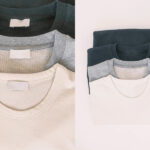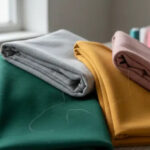
Many runners choose apparel based on softness or appearance without understanding how fabric performance affects comfort during exercise. The wrong material can trap sweat, increase friction, and reduce overall running performance.
Dri-FIT fabric is generally better for running because it provides moisture-wicking performance, faster drying, and improved breathability compared to cotton. Cotton offers natural softness and comfort, but it absorbs sweat and dries slowly during physical activity.
At Fusionknits, fabric selection is one of the most important stages in sportswear manufacturing. For running apparel, the right fabric directly affects moisture control, flexibility, durability, and long-term comfort.
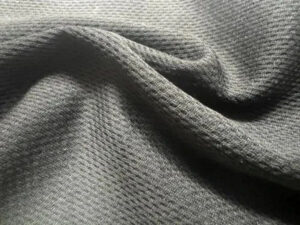
What Is Cotton Fabric In Running Apparel?
Cotton is one of the most widely used natural fibers in the apparel industry.
Cotton fabric is soft, breathable, and comfortable against the skin, but it absorbs moisture easily and dries slowly during running and training activities.
Cotton remains popular in casual sportswear because of its natural comfort and skin-friendly texture.
Why Cotton Feels Comfortable
Cotton fibers have a soft and breathable structure.
Key advantages include:
| Feature | Benefit |
|---|---|
| Soft Texture | Comfortable against skin |
| Natural Fiber | Skin-friendly material |
| Breathability | Allows airflow |
| Lightweight Feel | Comfortable for daily wear |
These qualities make cotton suitable for casual apparel and low-intensity activities.
Cotton Absorbs Moisture Easily
One of the biggest limitations of cotton in running apparel is moisture absorption.
When runners sweat, cotton tends to:
- Hold moisture inside the fabric
- Become heavier during activity
- Dry slowly
- Increase friction against the skin
This can reduce comfort during long-distance running.
Cotton Performance Changes In Different Conditions
Cotton may still perform reasonably well in:
- Cool weather
- Light jogging
- Daily athleisure wear
However, during high-intensity running or hot weather conditions, moisture retention becomes a major issue.
Cotton Blends Improve Performance
Modern sportswear manufacturers often combine cotton with synthetic fibers.
Common blends include:
- Cotton + polyester
- Cotton + spandex
- Cotton + modal
These blends improve:
- Stretch
- Drying speed
- Shape retention
- Durability
At Fusionknits, cotton blends are commonly used for lifestyle sportswear and casual activewear collections.
What Is Dri-FIT Fabric?
Dri-FIT is a performance fabric technology designed for moisture management during sports activities.

Dri-FIT fabrics are usually made from polyester microfiber materials that move sweat away from the skin and dry quickly during physical activity.
The term “Dri-FIT” is widely associated with moisture-wicking sportswear fabrics.
How Dri-FIT Fabrics Work
Dri-FIT fabrics use synthetic fiber structures to transport moisture away from the body.
The process includes:
- Sweat moves away from the skin
- Moisture spreads across the fabric surface
- Sweat evaporates faster
This helps runners stay drier during activity.
Common Materials Used In Dri-FIT Fabrics
Most Dri-FIT style fabrics use:
- Polyester
- Polyester-spandex blends
- Microfiber yarns
- Lightweight knitted fabrics
These materials improve athletic performance compared to traditional cotton fabrics.
Why Dri-FIT Is Popular In Running Apparel
Dri-FIT fabrics support:
- Fast drying
- Lightweight performance
- Better airflow
- Reduced sweat accumulation
These characteristics are highly important in modern sportswear manufacturing.
Fabric Construction Also Matters
Moisture management depends not only on fiber composition but also on fabric construction.
Professional activewear fabrics may include:
- Mesh structures
- Ventilation zones
- Microfiber knitting
- Technical finishing treatments
At Fusionknits, technical fabric development often combines fabric structure and finishing technology to improve activewear performance.
Is Dri-FIT Better Than Cotton For Running?
For most running conditions, technical moisture-wicking fabrics perform better than cotton.
Dri-FIT fabrics are usually better for running because they dry faster, reduce sweat buildup, and improve comfort during exercise. Cotton performs better for softness and casual comfort but less effectively during intense activity.
The right fabric choice depends on the intended use and activity level.
Moisture-Wicking Performance
Moisture management is one of the biggest differences between cotton and Dri-FIT.
| Fabric Type | Moisture Performance |
|---|---|
| Cotton | Absorbs and holds sweat |
| Dri-FIT | Moves sweat away quickly |
Runners often prefer moisture-wicking fabrics for long-distance or high-intensity training.
Drying Speed Comparison
Drying speed affects overall comfort.
Cotton fabrics:
- Stay wet longer
- Become heavier
- Increase skin friction
Dri-FIT fabrics:
- Dry quickly
- Maintain lighter weight
- Improve airflow
This is especially important in warm climates.
Weight During Exercise
Wet cotton becomes heavier during running.
This may create:
- Fabric dragging
- Reduced mobility
- Increased discomfort
Lightweight Dri-FIT fabrics maintain more stable performance during movement.
Temperature Regulation
Dri-FIT fabrics help regulate body temperature more effectively.
Moisture evaporation improves:
- Cooling performance
- Air circulation
- Heat release
Cotton may trap moisture against the body during long workouts.
Is Cotton Still Good For Certain Running Situations?
Cotton still has advantages in some sportswear applications.
Cotton can still work well for light exercise, casual running, cool weather, and lifestyle sportswear where softness and comfort are more important than technical performance.
Fabric selection should always match the intended activity level.
Cotton Works Better In Cooler Conditions
In cold weather, moisture buildup may happen more slowly.
Some runners prefer cotton because of:
- Natural softness
- Slight warmth retention
- Comfortable touch
However, wet cotton may still become uncomfortable during long sessions.
Cotton Is Popular In Athleisure Products
Many athleisure products prioritize comfort over technical performance.
Cotton fabrics are commonly used in:
- Joggers
- Hoodies
- Oversized T-shirts
- Lifestyle activewear
These products focus more on casual wear than performance training.
Cotton Blends Offer A Balanced Solution
Cotton-polyester blends combine comfort with better durability.
Benefits include:
- Softer hand feel
- Faster drying than pure cotton
- Better shape retention
- Improved wrinkle resistance
Blended fabrics are becoming increasingly common in modern sportswear manufacturing.
What Fabric Features Matter Most For Running Apparel?
The best running fabrics combine multiple performance features together.
High-quality running apparel fabrics should provide moisture management, breathability, stretch, lightweight comfort, and durability during repeated movement and washing.
Professional sportswear manufacturing focuses on overall fabric functionality rather than a single feature.
Breathability
Breathable fabrics improve airflow during activity.
Good breathability helps:
- Reduce heat buildup
- Improve comfort
- Support sweat evaporation
Lightweight knitted fabrics usually provide better airflow performance.
Stretch And Flexibility
Running apparel should move naturally with the body.
Stretch fabrics improve:
- Mobility
- Comfort
- Range of motion
Many sportswear fabrics now include elastane or spandex for additional flexibility.
Durability
Running apparel experiences repeated washing and friction.
Professional sportswear fabrics should resist:
- Pilling
- Surface abrasion
- Shape loss
- Seam stress
Durability directly affects product lifespan.
Lightweight Construction
Heavy fabrics may reduce comfort during long-distance running.
Most performance running products use lightweight fabric structures because they support:
- Faster drying
- Better mobility
- Reduced pressure during movement
At Fusionknits, lightweight technical fabrics are commonly used in OEM running apparel manufacturing.
How Do Sportswear Manufacturers Choose Running Fabrics?
Professional manufacturers evaluate several technical factors before selecting sportswear fabrics.

Sportswear manufacturers choose fabrics based on performance requirements, target market, climate conditions, durability expectations, and production cost.
Different running apparel categories require different fabric solutions.
Performance Running Apparel
Technical running collections usually prioritize:
- Moisture management
- Lightweight construction
- Fast drying
- Stretch recovery
Polyester-spandex fabrics are commonly used in this category.
Lifestyle Sportswear
Lifestyle activewear often focuses more on:
- Soft hand feel
- Fashion appearance
- Daily comfort
Cotton blends are widely used for these products.
Climate Conditions Matter
Fabric performance changes in different environments.
| Climate | Recommended Fabric |
|---|---|
| Hot Weather | Lightweight Dri-FIT fabrics |
| Humid Areas | Quick-dry polyester blends |
| Cold Conditions | Brushed performance fabrics |
| Casual Daily Wear | Cotton blends |
Climate conditions strongly influence fabric selection.
Fabric Testing In Activewear Manufacturing
Professional sportswear factories test fabrics before production.
Common tests include:
- Moisture-wicking testing
- Color fastness testing
- Shrinkage testing
- Stretch recovery testing
- pilling resistance testing
At Fusionknits, fabric testing is an important part of quality control for activewear manufacturing projects.
What Are The Main Differences Between Cotton And Dri-FIT?
Both fabrics offer advantages depending on the intended application.
Cotton provides natural softness and comfort, while Dri-FIT offers better moisture control, faster drying, and stronger performance during physical activity.
Understanding the differences helps brands choose the right fabric for their sportswear collections.
Direct Comparison Between Cotton And Dri-FIT
| Feature | Cotton | Dri-FIT |
|---|---|---|
| Softness | Excellent | Good |
| Moisture Wicking | Low | High |
| Drying Speed | Slow | Fast |
| Breathability | Moderate | High |
| Durability | Moderate | High |
| Running Performance | Limited | Excellent |
Each material serves different product goals.
Consumer Expectations Are Changing
Modern consumers increasingly expect activewear fabrics to provide:
- Moisture management
- Stretch comfort
- Lightweight performance
- Easy maintenance
This trend continues to increase demand for technical sportswear fabrics.
Blended Fabrics Are Growing In Popularity
Many brands now combine natural and synthetic fibers together.
This allows manufacturers to balance:
- Comfort
- Performance
- Durability
- Pricing
Hybrid fabric development has become a major trend in sportswear manufacturing.
Conclusion
Dri-FIT fabrics are generally better for running because they provide faster drying, moisture-wicking performance, lightweight comfort, and improved breathability during exercise. Cotton remains a comfortable option for casual wear and light activities, but it absorbs sweat and dries more slowly during intense running.
At Fusionknits, fabric selection is an important part of sportswear manufacturing. Choosing the right running fabric helps brands improve garment comfort, athletic performance, and long-term product quality across different activewear markets.