Many puffer jackets look warm on the surface, but the actual comfort, insulation, and durability depend heavily on the materials used inside and outside the garment. Poor fabric selection can reduce warmth retention, increase bulkiness, and shorten product lifespan.
The best material for a puffer jacket usually combines lightweight outer shell fabrics like nylon or polyester with insulating fillings such as down or synthetic padding. The ideal material depends on warmth requirements, weather conditions, durability expectations, and product positioning.
At Fusionknits, material selection plays a critical role in outerwear manufacturing. In puffer jacket production, insulation performance, fabric weight, water resistance, and construction quality all affect the final garment performance.
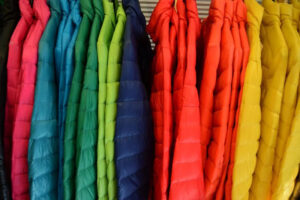
Why Does Material Matter So Much In Puffer Jackets?
Puffer jackets rely heavily on fabric and filling performance.
Puffer jacket materials affect warmth retention, weight, water resistance, durability, breathability, and overall comfort during wear.
Outerwear manufacturing requires careful balance between insulation and wearability.
Puffer Jackets Depend On Insulation Efficiency
The main purpose of a puffer jacket is thermal insulation.
Insulating materials help trap body heat while maintaining:
- Lightweight comfort
- Flexibility
- Air circulation
Low-quality insulation often loses warmth quickly after repeated wear.
Outer Shell Fabrics Protect The Insulation
The outer fabric affects:
- Wind resistance
- Water repellency
- Abrasion resistance
- Garment durability
Strong shell materials improve long-term outerwear performance.
Weight Directly Affects Comfort
Heavy puffer jackets may feel restrictive during movement.
Modern outerwear fabrics aim to provide:
- Lightweight structure
- Warmth efficiency
- Better packability
This is especially important in active outdoor apparel.
Material Quality Influences Product Lifespan
Poor-quality materials may create:
- Filling leakage
- Fabric tearing
- Shape loss
- Reduced insulation performance
At Fusionknits, outerwear material evaluation is an important part of jacket manufacturing quality control.
Is Down The Best Filling For Puffer Jackets?
Down remains one of the most premium insulation materials in outerwear manufacturing.

Down filling is considered one of the best materials for puffer jackets because it provides excellent warmth-to-weight ratio, lightweight comfort, and strong insulation performance.
Many premium winter jackets use down insulation.
What Is Down Filling?
Down comes from the soft underlayer of duck or goose feathers.
Unlike regular feathers, down clusters create:
- Better loft
- Improved heat retention
- Lightweight insulation
This makes down highly effective for cold-weather outerwear.
Why Down Provides Excellent Warmth
Down traps warm air efficiently.
Advantages include:
| Feature | Benefit |
|---|---|
| Lightweight Structure | Improved comfort |
| High Loft | Better insulation |
| Compressibility | Easier storage |
| Long-Term Warmth | Strong cold-weather protection |
High-fill power down usually provides stronger insulation performance.
Fill Power Matters In Down Jackets
Fill power measures insulation efficiency.
Common fill power ranges include:
- 500–600 fill power: standard warmth
- 700–800 fill power: premium warmth
- 900+ fill power: high-performance outerwear
Higher fill power usually creates lighter but warmer jackets.
Down Has Some Limitations
Down insulation may perform poorly when wet.
Moisture can reduce:
- Loft
- Heat retention
- Insulation efficiency
For this reason, some outerwear brands prefer synthetic alternatives in wet climates.
Are Synthetic Fillings Better Than Down?
Synthetic insulation has become increasingly popular in modern outerwear manufacturing.
Synthetic fillings offer better water resistance, easier maintenance, lower cost, and more stable insulation performance in wet conditions compared to natural down.
Synthetic insulation continues improving through material innovation.
Common Synthetic Insulation Materials
Popular synthetic fillings include:
- Polyester fiberfill
- Hollow fiber insulation
- Microfiber padding
These materials imitate the structure of natural down.
Synthetic Fillings Perform Better In Wet Conditions
Unlike down, synthetic insulation retains warmth more effectively when exposed to moisture.
This improves performance during:
- Rainy weather
- Snow exposure
- Humid climates
Synthetic jackets are often preferred for daily urban wear.
Synthetic Jackets Are Easier To Maintain
Synthetic insulation usually offers:
- Easier washing
- Faster drying
- Lower maintenance requirements
This makes synthetic puffer jackets more practical for many consumers.
Synthetic Fillings Usually Cost Less
Synthetic materials are generally more affordable than premium down.
This helps brands reduce:
- Production cost
- Retail pricing
- Material sourcing expenses
At Fusionknits, both synthetic and down insulation options can be selected depending on the target market and outerwear positioning.
What Are The Best Outer Shell Fabrics For Puffer Jackets?
The shell fabric protects the insulation and affects overall jacket performance.
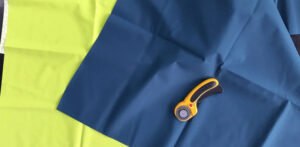
Nylon and polyester are the most common outer shell fabrics for puffer jackets because they provide durability, lightweight structure, water resistance, and wind protection.
Shell fabric selection strongly influences outerwear functionality.
Nylon Is Highly Popular In Premium Outerwear
Nylon fabrics offer:
- Strong abrasion resistance
- Lightweight construction
- Smooth surface texture
Nylon is widely used in technical outdoor jackets.
Polyester Provides Good Durability
Polyester shell fabrics are commonly used because they provide:
- Good strength
- Wrinkle resistance
- Cost efficiency
Polyester works well in both fashion and functional outerwear.
Ripstop Fabrics Improve Durability
Ripstop fabrics include reinforced weaving patterns.
Benefits include:
- Better tear resistance
- Improved durability
- Stronger outdoor performance
Ripstop fabrics are common in performance outerwear.
Water-Repellent Finishes Improve Protection
Many puffer jackets use DWR finishes.
DWR means durable water repellent.
This treatment helps:
- Reduce water absorption
- Improve weather resistance
- Maintain insulation performance
Professional outerwear manufacturing often combines technical fabric construction with protective finishing treatments.
Which Material Is Warmest For Puffer Jackets?
Warmth depends on insulation quality, garment construction, and filling volume.
High-fill-power down is generally considered the warmest puffer jacket insulation because it traps heat efficiently while maintaining lightweight comfort.
However, warmth requirements vary depending on climate and usage.
Goose Down Usually Provides Higher Loft
Goose down often creates:
- Larger down clusters
- Better loft
- Stronger insulation
Premium outerwear brands frequently use goose down for cold-weather collections.
Jacket Construction Also Affects Warmth
Warmth depends not only on filling type but also on:
- Baffle construction
- Filling distribution
- Fabric density
- Wind resistance
Poor construction may create cold spots.
Heavyweight Jackets Provide More Insulation
Heavier puffer jackets often contain:
- More filling volume
- Thicker insulation layers
However, excessive bulk may reduce mobility and comfort.
Layering Compatibility Matters
Modern puffer jackets often balance:
- Warmth
- Lightweight structure
- Layering flexibility
This improves versatility in changing weather conditions.
Is Polyester Or Nylon Better For Puffer Jackets?
Both fabrics are widely used in outerwear manufacturing.

Nylon is generally considered more durable and lightweight, while polyester provides good performance, lower cost, and easier maintenance for puffer jackets.
The best choice depends on product positioning and budget.
Nylon Offers Better Strength-To-Weight Ratio
Nylon fabrics usually provide:
- Higher tensile strength
- Better abrasion resistance
- Lighter fabric weight
This makes nylon suitable for technical outdoor jackets.
Polyester Is More Cost Efficient
Polyester offers several commercial advantages:
- Lower production cost
- Good color stability
- Easier maintenance
Polyester is widely used in commercial outerwear production.
Fabric Texture Changes Appearance
Nylon often creates:
- Smoother surface finish
- Slightly shinier appearance
Polyester may create:
- Softer matte finish
- More casual appearance
Fabric appearance affects fashion positioning.
Blended Fabrics Are Also Common
Some puffer jackets combine:
- Nylon-polyester blends
- Stretch shell fabrics
- Technical woven constructions
Blended materials help balance durability, flexibility, and cost.
How Does Construction Affect Puffer Jacket Quality?
Material quality alone does not guarantee strong outerwear performance.
Puffer jacket construction affects insulation stability, durability, fit, and long-term wear performance.
Professional manufacturing is essential for stable jacket quality.
Baffle Construction Controls Insulation Distribution
Baffles are stitched compartments that hold insulation in place.
Common baffle types include:
| Baffle Type | Main Benefit |
|---|---|
| Sewn-Through | Lightweight construction |
| Box baffle | Better insulation retention |
| Wide Baffle | Fashion appearance |
Proper baffle design improves heat distribution.
Stitching Quality Prevents Filling Leakage
Poor stitching may cause:
- Down leakage
- Seam weakness
- Uneven filling distribution
Professional sewing improves durability and appearance.
Zippers And Trims Affect Product Quality
Outerwear trims should provide:
- Smooth functionality
- Cold-weather durability
- Long-term reliability
High-quality accessories improve overall garment performance.
Quality Control Is Important In Outerwear Manufacturing
Professional factories inspect:
- Filling consistency
- Fabric defects
- Stitch durability
- Measurement accuracy
- Water resistance
At Fusionknits, structured quality control procedures help support stable outerwear manufacturing standards.
What Materials Are Most Popular In Modern Puffer Jackets?
Consumer demand continues shaping outerwear material trends.
Modern puffer jackets commonly use recycled polyester, lightweight nylon shells, synthetic insulation, and sustainable down alternatives to balance performance and environmental concerns.
Sustainability is becoming more important in outerwear production.
Recycled Materials Are Growing In Demand
Many brands now request:
- Recycled polyester shells
- Recycled synthetic insulation
- Sustainable fabric sourcing
Eco-friendly outerwear continues gaining popularity.
Lightweight Outerwear Is Trending
Modern consumers often prefer jackets that are:
- Easier to pack
- Less bulky
- More versatile
This increases demand for lightweight insulation materials.
Matte Fabrics Are Becoming More Popular
Fashion trends now favor:
- Matte nylon
- Soft-touch polyester
- Minimalist outerwear finishes
Visual appearance strongly affects market positioning.
Hybrid Jackets Are Expanding
Some puffer jackets combine:
- Fleece panels
- Softshell inserts
- Stretch fabrics
Hybrid construction improves mobility and styling flexibility.
Conclusion
The best material for a puffer jacket usually combines lightweight shell fabrics such as nylon or polyester with high-performance insulation like down or synthetic filling. The ideal material depends on climate conditions, warmth requirements, durability expectations, and product positioning.
At Fusionknits, puffer jacket manufacturing focuses on material performance, insulation quality, and stable outerwear construction. Selecting the right fabrics and filling materials helps brands create jackets with better comfort, durability, and long-term market appeal.