Many joggers look stylish online, but the actual comfort, durability, and performance depend heavily on the fabric. The wrong material can lead to pilling, overheating, poor stretch recovery, or uncomfortable movement during daily wear and workouts.
The best material for joggers usually depends on the intended use, but cotton blends, French terry, fleece, nylon-spandex, and polyester-spandex fabrics are among the most popular options because they balance comfort, stretch, durability, and breathability.
At Fusionknits, jogger manufacturing focuses heavily on fabric performance, fit engineering, and long-term wearability. Material selection directly affects softness, mobility, structure, and product lifespan.
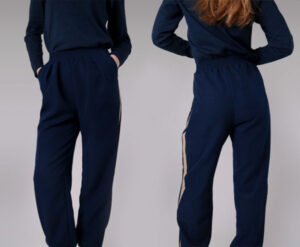
Why Does Fabric Matter So Much In Joggers?
Fabric determines how joggers feel, move, and perform over time.
Jogger fabric affects comfort, stretch, breathability, warmth, durability, and fit stability, making material selection one of the most important parts of product development.
Different fabrics create completely different wearing experiences.
Comfort Depends On Fabric Softness
Soft fabrics improve:
- Skin comfort
- Daily wearability
- Overall product feel
Consumers often judge jogger quality immediately through fabric touch.
Stretch Affects Movement
Joggers require flexibility for:
- Walking
- Training
- Lounging
- Travel
Stretch fabrics improve movement without restricting comfort.
Breathability Supports Daily Wear
Poor airflow may cause:
- Overheating
- Sweat buildup
- Discomfort during activity
Breathable fabrics improve long-term comfort.
Durability Determines Product Lifespan
High-quality jogger fabrics should resist:
- Pilling
- Shrinkage
- Shape distortion
- Fabric thinning
At Fusionknits, fabric durability testing is an important part of jogger production quality control.
Is Cotton The Best Material For Joggers?
Cotton remains one of the most common jogger materials.

Cotton is one of the best materials for joggers because it offers softness, breathability, natural comfort, and strong casualwear appeal.
However, pure cotton also has limitations.
Cotton Feels Soft And Comfortable
Cotton provides:
- Smooth texture
- Natural softness
- Comfortable daily wear
This makes it ideal for casual joggers and loungewear.
Cotton Is Breathable
Natural cotton fibers allow:
- Better airflow
- Reduced heat buildup
- Improved skin comfort
Breathability is important for everyday wear.
Pure Cotton May Lose Shape
100% cotton fabrics sometimes experience:
- Shrinkage
- Stretch distortion
- Slower drying
This is why many joggers use blended fabrics instead.
Cotton Blends Improve Performance
Cotton-polyester blends help improve:
| Feature | Benefit |
|---|---|
| Shape retention | Better fit stability |
| Durability | Longer lifespan |
| Moisture management | Faster drying |
| Wrinkle resistance | Cleaner appearance |
Blended fabrics are widely used in modern jogger manufacturing.
Why Is French Terry So Popular For Joggers?
French terry is one of the most common jogger fabrics today.
French terry is popular because it provides lightweight warmth, softness, breathability, and comfortable stretch without excessive bulk.
This fabric works well across multiple seasons.
French Terry Has A Unique Structure
French terry usually features:
- Smooth outer surface
- Looped inner texture
This combination creates balanced comfort and flexibility.
It Feels Lighter Than Fleece
Compared to brushed fleece, French terry offers:
- Better airflow
- Reduced weight
- More versatile layering
This makes it suitable for spring and fall joggers.
Athleisure Brands Prefer French Terry
Many activewear and lifestyle brands use French terry because it balances:
- Casual comfort
- Athletic styling
- Modern fit development
It works well in both relaxed and tapered joggers.
Fabric Weight Changes Performance
French terry joggers often range between:
- 240–320 GSM
Heavier weights create more structure and warmth.
At Fusionknits, French terry remains one of the most requested fabrics in modern jogger manufacturing.
Are Fleece Joggers Better For Winter?
Fleece fabrics provide stronger insulation.
Fleece is one of the best jogger materials for cold weather because it provides warmth, softness, and comfortable insulation during cooler seasons.
Fleece joggers remain highly popular in loungewear and winter collections.
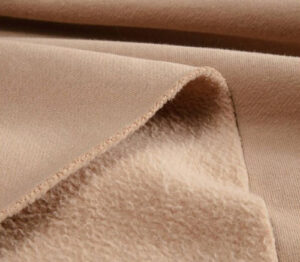
Brushed Interiors Improve Warmth
Fleece fabrics use brushed inner surfaces to trap warmth more effectively.
This improves:
- Thermal comfort
- Cozy texture
- Cold-weather performance
Heavyweight Fleece Creates Premium Feel
Heavy fleece joggers often use:
- 320–450 GSM fabrics
Advantages include:
- Better structure
- Stronger drape
- Premium streetwear appearance
Heavyweight joggers dominate many winter fashion collections.
Fleece Can Feel Warmer During Activity
During intense workouts, fleece may feel:
- Too warm
- Less breathable
This is why technical activewear often uses lighter fabrics.
Fleece Quality Strongly Matters
Low-quality fleece may create:
- Excess pilling
- Fiber shedding
- Reduced softness over time
Professional fabric sourcing improves long-term durability.
Are Polyester Joggers Good For Activewear?
Polyester fabrics dominate many activewear categories.
Polyester joggers are excellent for activewear because they provide moisture management, lightweight performance, durability, and fast drying capability.
Technical fabrics are increasingly important in modern sportswear.
Polyester Dries Faster Than Cotton
Polyester helps reduce:
- Sweat absorption
- Moisture retention
- Heavy fabric feeling
Quick-dry performance improves workout comfort.
Technical Polyester Supports Mobility
Modern polyester fabrics often include:
- four-way stretch
- Lightweight weaving
- Moisture-wicking finishes
These features improve movement efficiency.
Polyester Improves Durability
Polyester fabrics resist:
- Shrinking
- Wrinkling
- Shape distortion
This increases garment lifespan.
Soft-Touch Polyester Is Becoming More Popular
New technical fabrics now provide:
- Softer texture
- Matte appearance
- Improved comfort
Modern polyester joggers feel much more premium than older sportswear fabrics.
Is Nylon Better Than Polyester For Joggers?
Both materials are widely used in activewear.

Nylon is often considered more premium because it feels softer and smoother, while polyester usually provides better moisture management and lower production cost.
The best choice depends on product positioning.
Nylon Feels Softer
Nylon fabrics usually create:
- Smooth hand feel
- Premium surface texture
- Better drape
Many premium athleisure brands prefer nylon blends.
Polyester Is More Affordable
Polyester offers:
- Lower material cost
- Strong durability
- Easy maintenance
It remains highly common in commercial activewear.
Both Fabrics Usually Include Spandex
Stretch fibers improve:
- Flexibility
- Shape retention
- Movement comfort
Most activewear joggers combine synthetic fibers with elastane.
Nylon Works Well In Premium Athleisure
Nylon-spandex blends are common in:
- Premium joggers
- Yoga apparel
- Technical athleisure products
Fabric softness strongly affects perceived product quality.
How Does Stretch Affect Jogger Performance?
Stretch performance is critical in modern joggers.
Stretch fabrics improve mobility, comfort, fit retention, and overall wearability, especially in activewear and slim-fit joggers.
Modern consumers expect flexible garments.
Spandex Improves Flexibility
Adding elastane helps improve:
- Range of motion
- Recovery after stretching
- Fit consistency
Most performance joggers include:
- 5–15% spandex
Stretch Recovery Prevents Bagging
High-quality stretch fabrics maintain:
- Knee shape
- Waist structure
- Leg silhouette
Poor recovery often causes fabric sagging.
Stretch Supports Slim Fits
Slim joggers require flexibility to remain comfortable.
Stretch fabrics allow:
- Tapered silhouettes
- Athletic fit development
- Better movement support
Four-Way Stretch Improves Activewear Performance
Four-way stretch fabrics support:
- Multi-direction movement
- Better athletic mobility
This is highly important in gym and running joggers.
At Fusionknits, stretch recovery testing is integrated into activewear fabric quality evaluation.
What Fabric Is Best For Casual Joggers?
Lifestyle joggers prioritize comfort and styling versatility.
Cotton blends, French terry, and fleece are usually the best fabrics for casual joggers because they provide softness, warmth, and relaxed comfort.
Casualwear consumers often prioritize feel over technical performance.
Cotton Blends Balance Comfort And Durability
These fabrics provide:
- Soft hand feel
- Better wash stability
- Reduced shrinkage
They work well for daily wear.
French Terry Supports Year-Round Wear
French terry offers:
- Moderate warmth
- Breathability
- Flexible styling
This makes it highly versatile.
Fleece Creates Cozy Comfort
Fleece joggers remain highly popular for:
- Winter wear
- Travel
- Loungewear
Warmth remains the main advantage.
Heavyweight Fabrics Support Streetwear Trends
Oversized joggers often use:
- Heavy fleece
- Washed cotton fabrics
Heavyweight materials improve drape and premium appearance.
What Fabric Is Best For Athletic Joggers?
Performance joggers require different material priorities.
The best fabrics for athletic joggers are usually polyester-spandex or nylon-spandex blends because they provide stretch, moisture management, breathability, and lightweight performance.
Technical fabrics improve workout comfort.
Moisture-Wicking Is Critical
Athletic joggers should help:
- Move sweat away from skin
- Improve evaporation
- Reduce overheating
Technical fabrics perform better during workouts.
Lightweight Construction Improves Mobility
Athletic joggers often use:
- Lightweight woven fabrics
- Stretch knits
- Technical performance textiles
Reduced weight improves movement efficiency.
Compression Support Improves Stability
Some performance joggers include:
- Compression panels
- Stretch waistbands
- Structured tapering
These features improve athletic functionality.
Durability Matters In Training Apparel
Workout joggers must resist:
- Repeated washing
- Friction
- Stretch fatigue
Technical fabric quality strongly affects long-term performance.
What Trends Are Influencing Modern Jogger Fabrics?
Consumer preferences continue changing rapidly.
Modern jogger fabric trends focus on heavyweight materials, sustainable textiles, soft-touch technical fabrics, and hybrid comfort-performance construction.
Athleisure continues shaping product development.
Heavyweight Streetwear Fabrics Are Growing
Consumers increasingly prefer:
- Thick fleece
- Heavy French terry
- Structured silhouettes
Premium weight improves perceived quality.
Sustainable Fabrics Are Expanding
Many brands now request:
- Organic cotton
- Recycled polyester
- Eco-friendly dyeing
Sustainability increasingly affects purchasing decisions.
Soft-Touch Technical Fabrics Are Popular
Modern activewear fabrics now prioritize:
- Smooth texture
- Matte appearance
- Everyday comfort
Consumers want technical products that also feel luxurious.
Hybrid Fabrics Combine Performance And Lifestyle
Many joggers now blend:
- Cotton comfort
- Stretch performance
- Moisture management
Versatility improves commercial appeal.
Conclusion
The best material for joggers depends on the intended use, but cotton blends, French terry, fleece, nylon-spandex, and polyester-spandex fabrics remain the most popular choices because they balance comfort, durability, stretch, and breathability.
At Fusionknits, jogger manufacturing focuses on fabric performance, fit consistency, and long-term wearability. Careful material selection helps brands create joggers with stronger comfort, better movement support, and improved market appeal across both casualwear and activewear categories.