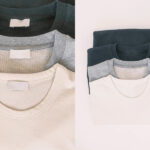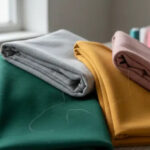
Many joggers look stylish in product photos, but the fabric determines whether they are comfortable, durable, and suitable for activewear or casual wear. Choosing the wrong fabric can lead to shrinking, poor stretch recovery, or reduced breathability.
Joggers are commonly made from cotton, cotton-polyester blend, French terry, fleece fabric, and moisture-wicking fabrics. The choice of fabric depends on comfort, flexibility, warmth, durability, and the intended use of the joggers.
At Fusionknits, fabric selection is a critical part of jogger manufacturing. The right material ensures comfort, performance, and long-term wearability for both casual and activewear applications.
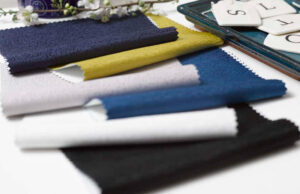
Why Fabric Choice Is Crucial For Joggers
Fabric affects almost every aspect of jogger performance.
The fabric determines softness, stretch, durability, breathability, moisture management, and overall comfort. Choosing the right fabric ensures the joggers meet both functional and aesthetic expectations.
Poor fabric choice is one of the most common reasons for customer dissatisfaction in casual and activewear products.
Comfort Depends On Fabric Softness
Soft fabrics reduce skin irritation and improve daily wear comfort.
Common fabric features for comfort include:
- Smooth surface
- Flexible knit
- Lightweight construction
Comfortable fabric enhances long-term usability.
Stretch Supports Mobility
Joggers often require elastic materials for movement.
Good stretch helps:
- Ease of motion during exercise
- Comfort during lounging
- Retention of shape after washing
At Fusionknits, most joggers include four-way stretch fabrics for better fit and flexibility.
Breathability Enhances Comfort
Breathable fabrics allow airflow, reducing overheating during activity.
Breathable fabrics improve:
- Moisture evaporation
- Skin temperature regulation
- Overall wearing comfort
This is particularly important for activewear joggers.
Durability Extends Garment Life
Durable fabrics resist:
- Pilling
- Abrasion
- Stretch deformation
- Shrinkage
High-quality fabric selection reduces returns and increases customer satisfaction.
Is Cotton The Most Popular Fabric For Joggers?
Cotton remains a common choice for casual and lifestyle joggers.

Cotton is widely used because it is soft, breathable, natural, and skin-friendly, making it ideal for lounge and casual joggers.
Cotton-based joggers are popular in lifestyle apparel and athleisure collections.
Advantages Of Cotton Joggers
Cotton fabrics provide:
| Feature | Benefit |
|---|---|
| Soft Texture | Comfortable against skin |
| Breathability | Good airflow and comfort |
| Natural Fiber | Reduced irritation |
| Easy Dyeing | Color versatility |
Cotton is highly versatile in casual wear collections.
Limitations Of Pure Cotton
Pure cotton joggers may:
- Shrink after washing
- Lose shape over time
- Absorb moisture slowly
These limitations are addressed with blended fabrics or fabric treatments.
Cotton Blends Improve Performance
Cotton-polyester blend or cotton-spandex blends improve:
- Stretch recovery
- Shape retention
- Moisture management
- Durability
Blended fabrics combine comfort with functional performance.
Why Is French Terry Common In Joggers?
French terry is a knit fabric commonly used in activewear and loungewear.
French terry is used in joggers because it is lightweight, breathable, and soft, offering comfort without excessive bulk.
French terry is often used in transitional seasonal joggers.
Structure Of French Terry Fabric
French terry has:
- Smooth outer surface
- Loop-knit interior
This combination creates:
- Soft hand feel
- Moderate warmth
- Breathable performance
Ideal For Casual And Light Activewear
French terry joggers work well for:
- Indoor lounging
- Light exercise
- Everyday wear
The fabric’s balance of softness and flexibility makes it versatile.
GSM Matters
Typical French terry fabric weight:
| GSM | Use Case |
|---|---|
| 220–260 | Lightweight joggers |
| 280–320 | Standard casual joggers |
| 350+ | Warmer seasonal joggers |
Fabric weight affects warmth and flexibility.
How Does Fleece Fabric Perform In Joggers?
Fleece fabric is popular in cold-weather joggers.
Fleece provides warmth, soft texture, and cozy comfort, making it suitable for sweatpants-style joggers.
Fleece is widely used in loungewear and winter collections.
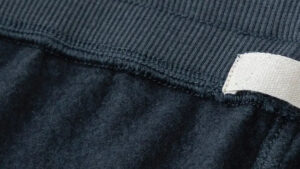
Brushed Fleece Surface
Brushed fleece offers:
- Soft interior
- Warmth retention
- Lightweight structure
The brushed texture increases comfort during wear.
Weight And Warmth
Fleece joggers usually range between:
- 280–400 GSM
Heavier fabrics increase insulation but may reduce mobility.
Care Considerations
Fleece requires careful care to avoid pilling and maintain softness.
Professional manufacturing may include fabric pre-treatment to improve longevity.
Are Synthetic Fabrics Used In Joggers?
Synthetic fabrics are increasingly used for activewear joggers.
Polyester, nylon, and elastane blends offer moisture-wicking fabrics, stretch, durability, and shape retention, suitable for running, gym, or performance joggers.
Synthetic fabrics enhance performance for active use.
Polyester-Based Joggers
Polyester fabrics provide:
- Moisture-wicking
- Lightweight structure
- Durability
- Color retention
Polyester is common in gym and training joggers.
Nylon Blends
Nylon is used for:
- Abrasion resistance
- Smooth surface finish
- Lightweight performance
Nylon blends often combine with spandex for flexibility.
Elastane And Spandex
Adding 5–12% elastane improves:
- Stretch recovery
- Mobility
- Form fit
- Long-term shape retention
Most activewear joggers include a small percentage of stretch fibers.
Technical Advantages
Synthetic fabrics often allow:
- Quick-dry performance
- Increased durability
- Enhanced color fastness
- Greater resilience after washing
This is important for frequent-use activewear.
How Does Fabric Affect Jogger Fit And Comfort?
Fabric properties influence both feel and functional performance.

Stretch, weight, and surface texture affect jogger fit, silhouette, and comfort.
Proper fabric selection ensures balanced aesthetics and usability.
Stretch Improves Leg Mobility
Joggers should allow movement in:
- Knee flexion
- Hip extension
- Sitting and lounging
Stretch fabrics improve comfort during dynamic activity.
Weight Affects Bulk And Warmth
Heavier fabrics may:
- Increase warmth
- Reduce flexibility
- Limit layering
Lightweight fabrics improve versatility and comfort for daily wear.
Surface Texture Influences Comfort
Smooth fabrics reduce:
- Skin friction
- Surface irritation
Soft interior fabrics enhance long-term wearability.
Breathability Supports Activity
Breathable fabrics prevent overheating.
Airflow is particularly important in:
- Gym use
- Outdoor jogging
- High-intensity training
What Is The Role Of Fabric Blends In Joggers?
Blended fabrics combine multiple fibers to enhance performance.
Blends such as cotton-polyester or cotton-spandex combine natural softness with durability, stretch, and moisture management.
Fabric blends improve both functionality and appearance.
Cotton-Polyester Blends
Cotton-polyester blend offers:
- Soft touch
- Reduced shrinkage
- Better color retention
- Durability
Common in casual and mid-range joggers.
Cotton-Spandex Blends
Cotton-spandex blends offer:
- Stretch flexibility
- Form-fitting comfort
- Long-term shape retention
Common in activewear and tapered joggers.
Technical Polyester Blends
Technical blends with polyester and elastane support:
- Moisture-wicking
- Quick drying
- Stretch recovery
- Lightweight comfort
These are ideal for gym and performance joggers.
Hybrid Blends
Hybrid fabrics combine:
- Cotton
- Polyester
- Spandex
- Nylon
Hybrid blends create versatile joggers for multiple use cases.
How Does Fabric Quality Affect Jogger Durability?
High-quality fabric improves both appearance and longevity.
Durable fabrics resist pilling, fading, stretch deformation, and shrinkage, ensuring joggers remain functional and visually appealing over time.
Fabric choice affects customer satisfaction and product lifespan.
Stretch Recovery Matters
Low-quality stretch fabrics may:
- Lose shape
- Bag at knees
- Reduce fit consistency
High-quality fabrics maintain form even after multiple washes.
Resistance To Pilling And Abrasion
Pilling reduces visual appeal.
Durable fabrics include:
- Brushed fleece
- Technical knits
- Polyester-based blends
Abrasion resistance is particularly important in high-friction areas like inner thighs and knees.
Wash Stability
Good fabrics withstand:
- Frequent washing
- Temperature variations
- Detergent exposure
Stable fabrics reduce returns and improve long-term satisfaction.
Color Retention
High-quality fabrics retain dye better over time, keeping joggers looking new longer.
At Fusionknits, fabric testing and quality control ensure consistent performance across bulk production.
What Are The Most Popular Jogger Fabrics Today?
Consumer preferences continue to evolve.
The most popular jogger fabrics include cotton blends, French terry, fleece fabric, polyester-elastane, and technical knit fabrics for active and lifestyle use.
Trends in jogger fabrics balance comfort, performance, and aesthetics.
Cotton And Cotton Blends Dominate Lifestyle Joggers
Lifestyle joggers often prioritize:
- Soft hand feel
- Breathability
- Casual style
Cotton or cotton-polyester blend remains popular for these products.
French Terry And Fleece For Transitional Weather
French terry and fleece fabric are suitable for:
- Cool weather
- Soft texture
- Moderate insulation
They are widely used in loungewear and athleisure collections.
Synthetic Performance Fabrics For Gym Joggers
Gym and running joggers often use:
- moisture-wicking fabrics
- Nylon-spandex blends
- Technical quick-dry fabrics
Performance fabrics improve moisture management, stretch, and durability.
Hybrid Fabrics Balance Comfort And Performance
Modern joggers often combine:
- Cotton
- Polyester
- Spandex
- Nylon
Hybrid fabrics allow products to perform well in multiple scenarios.
Conclusion
Joggers are made from a variety of fabrics, including cotton, cotton-polyester blend, French terry, fleece fabric, and moisture-wicking fabrics. The best material depends on comfort, stretch, durability, breathability, and intended usage, whether casual or activewear.
At Fusionknits, fabric selection for joggers emphasizes softness, performance, and long-term wearability. Choosing the right materials and blends ensures joggers provide comfort, durability, and aesthetic appeal across different market segments.