T-shirts dominate the global apparel market, but not all styles perform equally. Understanding which types sell the most helps brands and manufacturers focus on popular designs, fabrics, and cuts.
The T-shirts that sell the most are usually basic crew necks, cotton or cotton-blend fabrics, neutral colors, standard fits, and graphic or branded designs. Comfort, versatility, and mass-market appeal drive sales, while trends and niche styles influence seasonal spikes.
At Fusionknits, we analyze customer behavior and market trends to develop T-shirts that align with demand while maintaining quality and profitability.
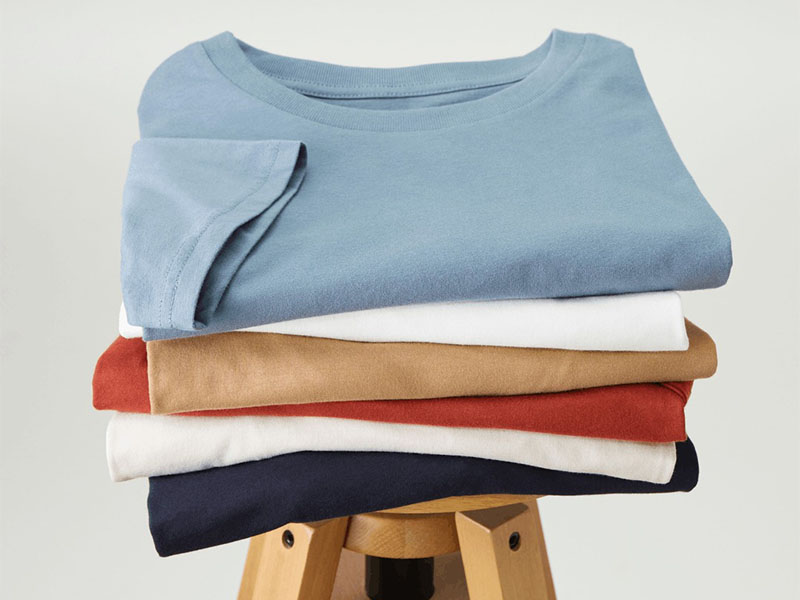
Which T-shirt styles dominate global sales?
Classic styles consistently lead T-shirt sales. Consumers prefer simple, easy-to-wear designs that can fit multiple occasions and outfit combinations.
Crew neck T-shirts dominate because of their versatility and timeless appeal. V-neck, round neck, and premium fitted styles also perform well, but basic crew necks remain the top seller across most demographics.
The crew neck is the default style for casual wear, workwear, and promotional items. Its balanced shape suits a wide range of body types, making it appealing to mass-market consumers. Variants like v-necks or scoop necks have niche popularity, often for fashion-conscious or seasonal trends.
Most popular T-shirt styles
- Crew neck: Most versatile, classic casual style
- V-neck: Preferred for layering or fashion-conscious buyers
- Round neck: Slightly wider or relaxed fit, casual style
- Fitted/premium cut: Appeals to youth and fashion segments
- High-neck or mock neck: Seasonal or niche fashion appeal
Why basic styles dominate
| Feature | Impact on sales |
|---|---|
| Timeless fit | Works across ages and genders |
| Easy layering | Compatible with jackets, hoodies, and accessories |
| Broad appeal | Standard sizing fits mass-market needs |
| Cost-efficient production | Simplified pattern reduces manufacturing complexity |
This explains why basic crew neck T-shirts consistently dominate in global sales charts.
How do fabric types affect T-shirt sales?
Fabric choice strongly influences comfort, durability, and consumer preference, which directly affects sales.

Cotton and cotton-blend fabrics lead in T-shirt sales because they combine softness, breathability, durability, and affordability. Blends with polyester or elastane improve fit, stretch, and wrinkle resistance, making them highly popular for both casual and promotional items.
At Fusionknits, we see that material quality often determines repeat purchase behavior. Soft, durable cotton encourages loyalty, while poor-quality fabrics reduce long-term sales potential.
Common fabrics in top-selling T-shirts
- 100% cotton: Soft, breathable, widely accepted
- Cotton-polyester blends: Durable, shape-retaining, cost-effective
- Ring-spun or combed cotton: Premium feel, smoother texture
- Technical blends: Moisture-wicking or performance fabrics for sportswear
Fabric impact table
| Fabric type | Consumer appeal | Sales impact |
|---|---|---|
| 100% cotton | Comfort and natural feel | High |
| Cotton-polyester | Durability and low maintenance | High |
| Ring-spun cotton | Soft premium feel | Medium to high |
| Technical blends | Sports or activewear needs | Moderate to high |
This shows that fabric type is a critical determinant of mass-market sales.
What color T-shirts sell the most?
Color choice affects both fashion trends and basic wearability. Neutral colors consistently outperform niche shades.
Neutral colors such as black, white, gray, and navy are the top-selling T-shirts because they suit a wide variety of outfits, demographics, and marketing purposes. Bright or seasonal colors sell well occasionally but generally have lower repeat sales.
Neutral T-shirts are also favored in bulk orders, promotional campaigns, and wholesale programs. Color stability and versatility make them a preferred choice for manufacturers and buyers targeting large audiences.
Popular color hierarchy
- Black: Classic, versatile, hides stains
- White: Universal, print-friendly, clean look
- Gray: Neutral, casual, works with layers
- Navy: Subtle alternative to black, corporate-friendly
- Seasonal/bright colors: Trend-driven, limited edition appeal
Color impact on repeat sales
| Color type | Appeal | Sales characteristic |
|---|---|---|
| Neutral | Everyday wear, high versatility | High and consistent |
| Trend/seasonal | Limited-time appeal | Moderate, spikes in short-term |
| Bright graphics | Youth and event-focused | Moderate, trend-driven |
Colors that integrate easily into wardrobes and remain consistent across washes tend to sell the most over time.
How does T-shirt fit and sizing affect sales?
Fit is a critical factor in consumer satisfaction. Standard sizing and versatile cuts improve both initial and repeat sales.
Standard or regular fits sell the most because they accommodate a broad range of body types. Slim or fashion-fitted T-shirts perform well in niche markets, but regular fit remains the default mass-market choice.
At Fusionknits, we carefully balance body and sleeve lengths, shoulder width, and chest fit to create T-shirts that satisfy mass-market buyers while maintaining style appeal.
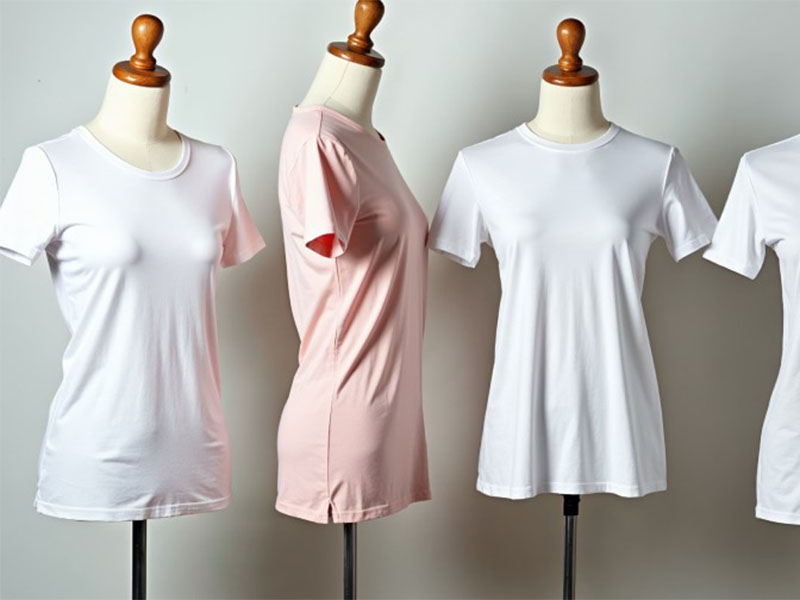
Popular fit types
- Regular fit: Balanced width and length, universal appeal
- Slim fit: Narrower silhouette, youth or fashion-forward markets
- Oversized: Trend-driven, niche fashion
- Athletic fit: Tapered for sportswear and gym users
Fit and sales impact
| Fit type | Target audience | Sales potential |
|---|---|---|
| Regular | Broad demographic | High |
| Slim | Youth, fashion-conscious | Medium to high |
| Oversized | Streetwear enthusiasts | Medium |
| Athletic | Fitness and activewear | Medium |
Regular fit T-shirts dominate because they reduce sizing risk and appeal to a wider customer base.
How do graphic and branded T-shirts influence sales?
Graphics and branding elevate basic T-shirts into expression and lifestyle products. They are a major driver of consumer demand in retail, events, and marketing campaigns.
Graphic and branded T-shirts sell exceptionally well because they offer personal expression, fandom, and identity. Logos, artwork, and slogans transform a standard T-shirt into a statement piece, increasing both initial and repeat sales.
Printed or branded T-shirts also serve promotional purposes, making them popular with companies and organizations. Custom graphics appeal to collectors and youth, while minimalist branding appeals to casual everyday wearers.
Graphic and branding impact
- Band and concert T-shirts
- Sports team and fan apparel
- Brand logos and promotional campaigns
- Social and political messaging
Sales impact by type
| Graphic type | Appeal | Market reach |
|---|---|---|
| Band or concert | Youth, fans | Medium to high |
| Brand logos | Casual and lifestyle | High |
| Sports team | Fans and event participants | Medium |
| Political/social | Identity-driven | Niche, but impactful |
Graphics can transform a basic T-shirt into a high-demand item in specific demographics or campaigns.
How do seasonal trends and fashion cycles affect T-shirt sales?
While staples dominate overall sales, seasonal and fashion trends create temporary spikes in specific types of T-shirts.

Seasonal trends, limited editions, and fashion collaborations influence T-shirt sales by attracting attention and creating urgency. However, basic styles consistently outperform trendy pieces in long-term sales volume.
At Fusionknits, we track trend cycles to anticipate short-term demand while ensuring our core T-shirt styles remain available for mass-market sales.
Seasonal and trend examples
- Summer: Bright colors, sleeveless, cropped styles
- Winter: Long-sleeve T-shirts, layered styles
- Fashion collaborations: Special prints and cuts
- Event-related designs: Holidays, campaigns, or limited editions
Trend impact on sales
| Trend type | Sales pattern |
|---|---|
| Seasonal color/style | Temporary spike |
| Fashion collaboration | Moderate spike, limited edition |
| Core staple | Consistent, high-volume sales |
| Promotional/event graphics | Short-term, campaign-focused |
Seasonal trends can influence short-term performance but rarely replace core staples in overall volume.
Why do wholesale and B2B T-shirts favor basic types?
B2B and wholesale buyers focus on volume, cost, and universality, making certain types of T-shirts more attractive.
Wholesale and B2B sales favor basic crew necks, neutral colors, and standard fits because they are easier to source, produce, and sell to diverse consumers. Volume discounts and predictable sizing make these types the most commercially successful.
At Fusionknits, we consistently supply basic T-shirts for promotional programs, private label brands, and international wholesale markets.
Wholesale preferences
- Crew necks with regular fit
- Neutral or universally accepted colors
- Durable cotton or cotton-blend fabrics
- Minimal or standard graphics
Wholesale sales advantage
| Feature | Benefit for B2B |
|---|---|
| Standard fit | Easier size distribution |
| Neutral color | Broad appeal |
| Crew neck | Reduces returns due to fit issues |
| Cotton/cotton blends | Balance of comfort, durability, and cost |
These characteristics explain why basic T-shirts consistently dominate bulk sales globally.
Conclusion
The types of T-shirts that sell the most are basic crew necks, regular fits, cotton or cotton-blend fabrics, neutral colors, and optionally branded or graphic designs. Their appeal comes from a combination of comfort, versatility, affordability, and universal fashion relevance. While fashion trends, seasonal colors, and niche styles create temporary spikes in sales, core staples dominate the long-term market.
At Fusionknits, understanding consumer preferences, market trends, and wholesale requirements allows us to produce T-shirts that maximize both mass-market appeal and customer satisfaction.
By focusing on quality fabrics, consistent sizing, classic cuts, and customizable branding, we ensure that our T-shirts meet the high-demand criteria for both retail and B2B clients. Ultimately, the combination of practicality, style flexibility, and expressive potential ensures that these types of T-shirts continue to dominate the global apparel market year after year.